After several years of extraordinary growth, Europe’s industrial and logistics market is settling into a new reality. Occupier demand has normalised, development pipelines have contracted and investors have become more selective in response to higher interest rates, geopolitical uncertainty and rising construction costs. In this special report, we hear from an extraordinary range of leading sector thinkers. This is industrial and logistics in 2026
View the developers factfiles
Resilience in an age of uncertainty
This article was published in our June 2026 magazine
The European industrial and logistics sector has spent much of the past decade as commercial real estate’s star performer.
From the rise of e-commerce and increasingly sophisticated supply chains to the unprecedented disruption caused by the Covid-19 pandemic, demand for warehouse and distribution space has grown almost relentlessly. Investors poured billions into the sector, occupiers expanded aggressively and developers raced to bring new supply to market.
Now, however the market finds itself at an important crossroads. The exceptional conditions that defined the pandemic years have faded. Occupiers have become more cautious. Investors are more selective. Rising construction costs, geopolitical tensions, inflationary pressures and increasingly demanding sustainability regulations have created a more complicated operating environment than many market participants have experienced in years.
Despite these challenges, few industry leaders appear concerned about the sector’s long-term prospects. Recent research from the likes of CBRE, Savills, JLL and Knight Frank points to a market that remains fundamentally healthy, supported by powerful structural trends that continue to reshape how goods are produced, stored and delivered across Europe.
Rather than signalling a downturn, many industry participants believe the current period represents a return to a more sustainable phase of growth. “The outlook is cautiously constructive,” says Ben Bannatyne, president of Prologis Europe. “Europe remains a supply-constrained logistics market, and the strongest opportunities remain in high-conviction locations where modern space is limited and barriers to new supply are high.” That cautious optimism is one of the few points on which almost everyone agrees.
A market returns to normal
The years immediately following the pandemic created conditions that were unlikely ever to be repeated. Retailers expanded logistics networks to support surging online sales. Manufacturers increased inventory holdings after experiencing supply-chain disruption. Third-party logistics providers scrambled to secure additional space as customer requirements grew. Vacancy rates fell to record lows in many markets, while rents climbed rapidly.
For a period, it appeared occupier demand could absorb almost any amount of new development. That environment has changed. According to the major consultancies, leasing activity across Europe has normalised. Occupiers remain active but are making decisions more slowly and with greater scrutiny. Capital expenditure programmes face more rigorous internal review. Expansion for expansion’s sake has largely disappeared.
“2025 was ultimately a year of market recalibration for the logistics sector,” says Quentin Kerrault, head of investment at ESR Europe. “The logistics sector remains fundamentally resilient as underpinned by structural demand drivers, but 2025 proved to be a year defined by operational discipline rather than the extraordinary conditions seen post-pandemic.”
That concept of operational discipline appears repeatedly in conversations across the industry. Companies are no longer chasing growth at any cost. Instead, they are focused on efficiency, resilience and long-term flexibility.
For occupiers, that means seeking facilities capable of supporting automation, reducing energy consumption and providing operational resilience. For investors, it means paying closer attention to asset fundamentals. And for developers, it means being highly selective about where and what they build. The result is a market that may be growing more slowly than it did during the pandemic years but arguably on much stronger foundations.
One of the most striking findings from both the agency research and industry interviews conducted for this report is the extent to which supply constraints continue to dominate discussions. Rising vacancy rates in some markets have created an impression that logistics real estate may be heading towards oversupply. Most industry leaders reject that interpretation.
Instead, they argue that vacancy has merely returned from exceptionally low levels to something closer to normal. “The biggest challenges are structural rather than purely cyclical,” says Bannatyne. “Across Europe, entitlement and permitting complexity, land scarcity, labour shortages, grid constraints and rising sustainability requirements are all making new supply slower, harder and more expensive to deliver.”
Those challenges appear in almost every European market. In Germany, planning regulations and land shortages continue to restrict development opportunities. In the Netherlands, environmental restrictions and competing land uses limit the availability of logistics sites. In the UK, planning delays and infrastructure constraints have become increasingly significant obstacles.
Ireland presents an even more acute example. “The key challenge facing the logistics sector in Ireland is a severe shortage of Grade A accommodation in Dublin,” says Marie Hunt, head of research at IPUT. “The market has seen exponential demand growth due to the unique factors supporting demand in the Irish market, namely Covid, Brexit and the growth of e-commerce.”
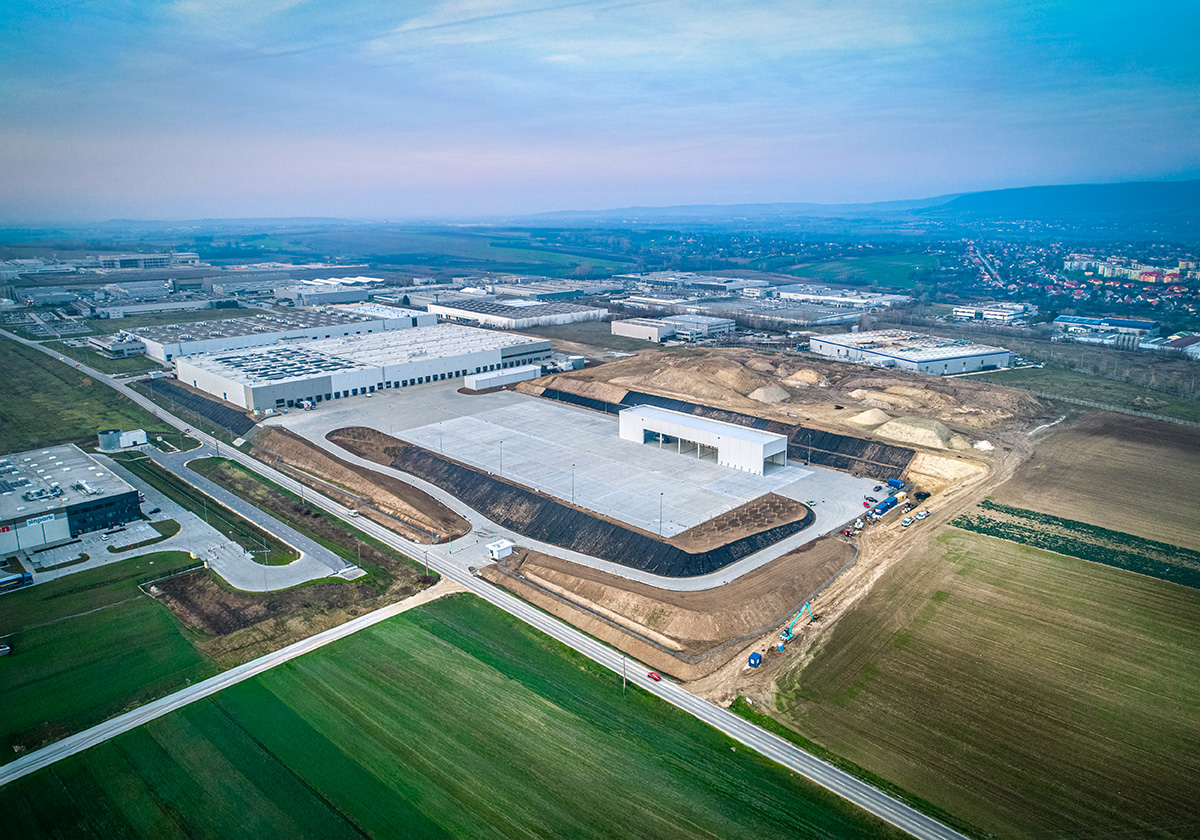
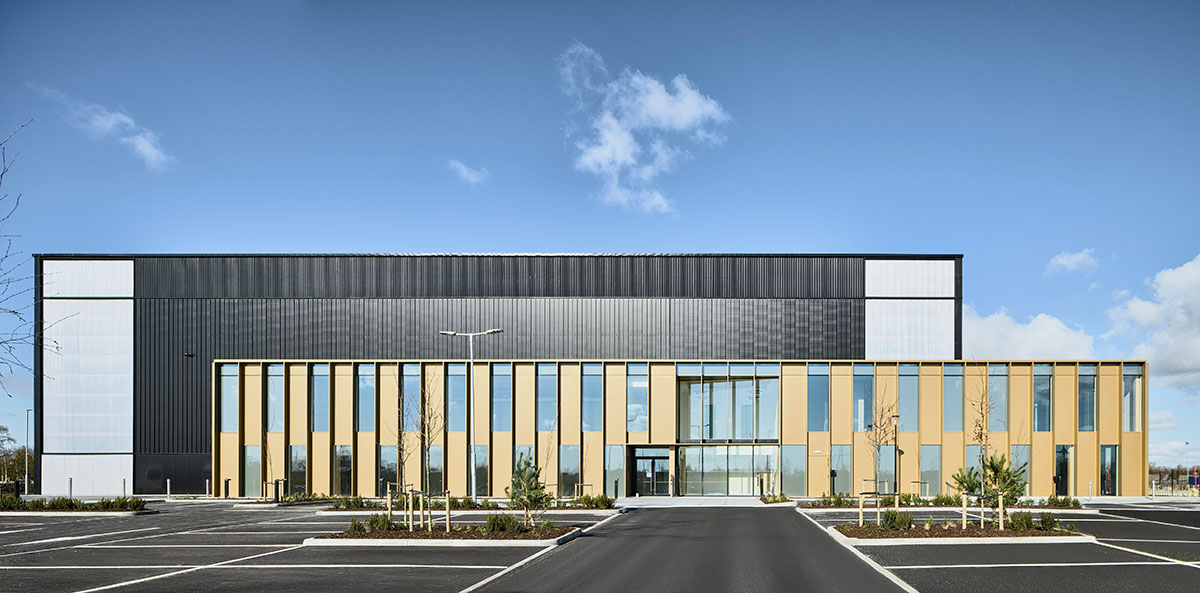
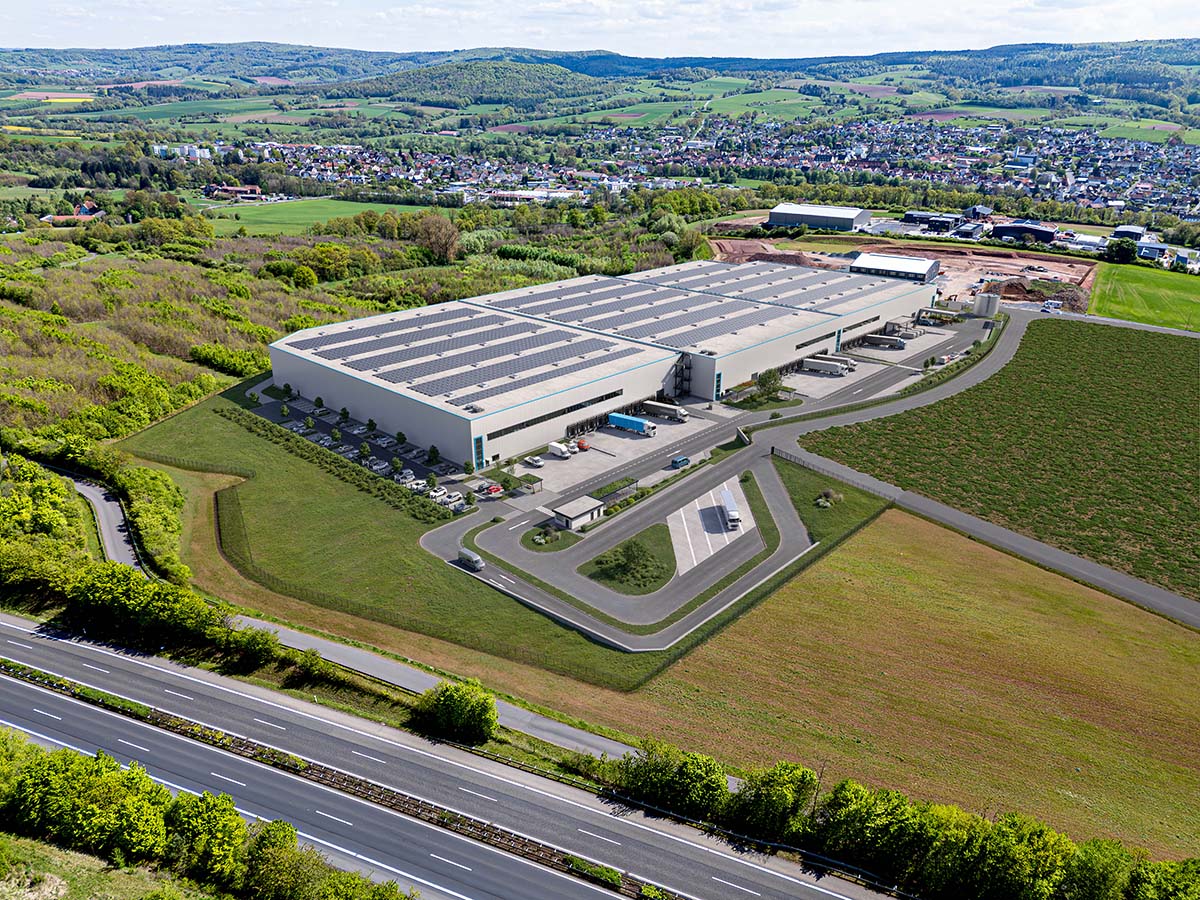
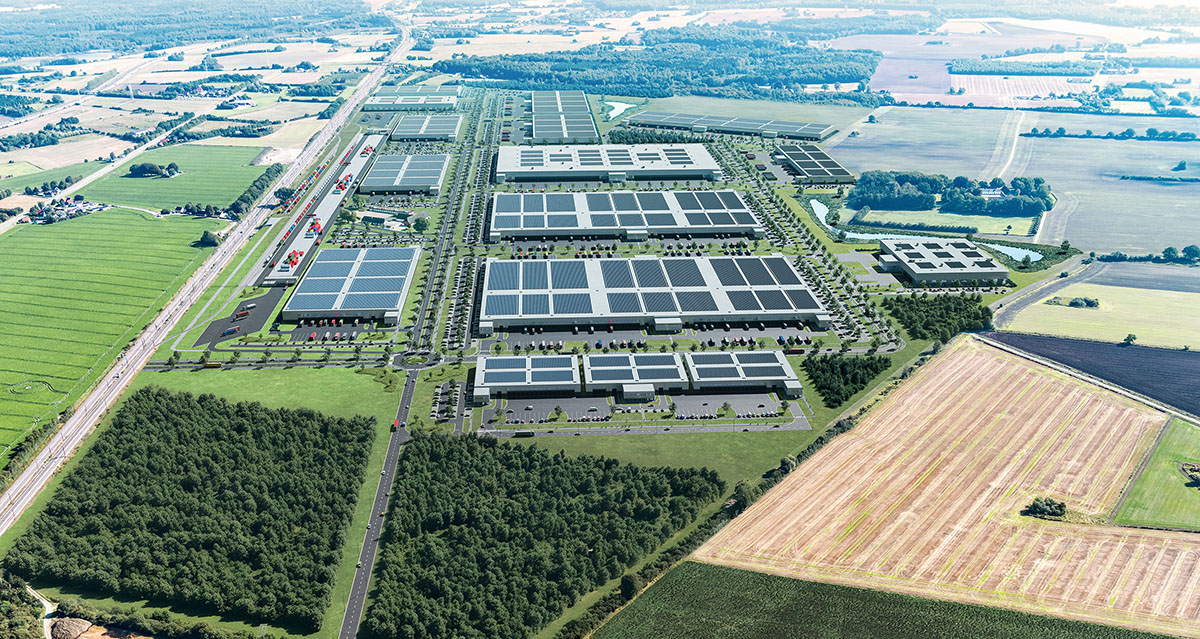
The shortage of modern logistics space remains particularly pronounced in major urban markets where consumer demand is strongest. For developers, the challenge is compounded by higher construction costs and more demanding sustainability requirements.
Maarten Otte, chief investment officer at CTP, argues that delivering logistics space today requires a fundamentally different approach from the one that prevailed only a few years ago. “The challenge is no longer simply delivering space, but supporting clients in managing risk and continuity,” he says. That shift reflects broader changes occurring throughout the sector. Warehouse buildings are increasingly viewed not as simple storage facilities but as critical infrastructure supporting modern supply chains.
Power is becoming the new logistics currency
If there is one issue that emerged repeatedly throughout the interviews, it is the growing importance of energy infrastructure. Historically, logistics developers focused on location, transport links and labour availability. Those considerations remain important, but many industry leaders now argue that power availability has become equally critical.
The reason is straightforward. Modern logistics facilities consume far more electricity than their predecessors. Automation, robotics, artificial intelligence, electric vehicle charging and increasingly sophisticated warehouse management systems all require substantial power capacity.
ESR recognised this trend several years ago. “Power availability and infrastructure constraints became critical considerations for occupiers, especially those operating automated facilities or AI-enabled supply chains,” says Kerrault. “We have been integrating power supply as a core underwriting metric since 2019.”
Others have reached similar conclusions. Daan van den Hoven, head of Marq Europe, for instance, identifies energy procurement as one of the sector’s most pressing challenges and notes that power availability is increasingly influencing site selection decisions. Damian Kołata, head of commercial at 7R, goes further, describing power availability as a “critical gating factor” that can determine whether a project proceeds at all.
The implications are significant. Assets with strong power infrastructure are likely to enjoy increasing competitive advantages over the coming decade. Conversely, buildings that lack sufficient capacity may face growing obsolescence risk.
This trend also intersects with broader sustainability objectives. As occupiers electrify vehicle fleets and pursue decarbonisation targets, access to renewable energy and on-site power generation is becoming increasingly valuable. “Power and energy availability will continue to be a critical ingredient for locations,” says van den Hoven, who points to solar panels and battery storage as increasingly important components of logistics developments.
The growing divide between winners and losers
Perhaps the most important theme emerging across Europe’s logistics market is the widening gap between prime and secondary assets. During the pandemic boom, demand was so strong that most logistics space attracted occupier interest. That is no longer the case. Today’s occupiers are far more selective. They want buildings that are energy efficient, technologically advanced, environmentally compliant and capable of supporting increasingly complex operations.
As a result, prime assets continue to perform strongly while older stock faces growing challenges. Kerrault describes this as “an increasingly pronounced bifurcation between modern, ESG-compliant assets and secondary stock”.
Several interviewees highlighted the same phenomenon. Charles Allen, head of European real estate at Fiera Real Estate, believes demand is increasingly concentrated around sustainable assets with strong long-term fundamentals. There is a “flight to quality,” he says, arguing that occupiers and investors alike are focusing on well-located, high-specification properties.
IPUT’s Hunt reaches a similar conclusion. “Occupiers are increasingly prioritising modern, energy efficient and sustainable buildings,” she says. “We can prove that sustainable buildings let quicker and generate higher rents.” The consequences for landlords are profound.
Warehouse ownership alone no longer guarantees success. Asset quality increasingly determines leasing performance, rental growth and investment liquidity. This trend is driving significant capital expenditure across existing portfolios as owners seek to maintain competitiveness.
One of the clearest consequences of the flight to quality is the growing importance of refurbishment, redevelopment and retrofitting. A decade ago, much of the sector’s growth was driven by greenfield development. Today, many of Europe’s most attractive logistics locations offer limited opportunities for new construction.
As a result, developers are increasingly turning their attention to existing assets. “We see repurposing, refurbishment and redevelopment as increasingly important, particularly in dense and land-constrained markets where existing sites may offer the best route to creating modern logistics capacity,” says Prologis’ Bannatyne.
For many developers, brownfield regeneration represents one of the few viable routes to creating modern logistics space in prime locations. Scannell Properties is particularly active in this area. “As land in prime logistics hubs becomes harder to find and regulations and community expectations grow, we see great value in developing and upgrading existing sites,” says managing director Amaury Gariel. “This approach allows us to create more flexible properties where they’re needed most, while staying true to our ESG priorities.”
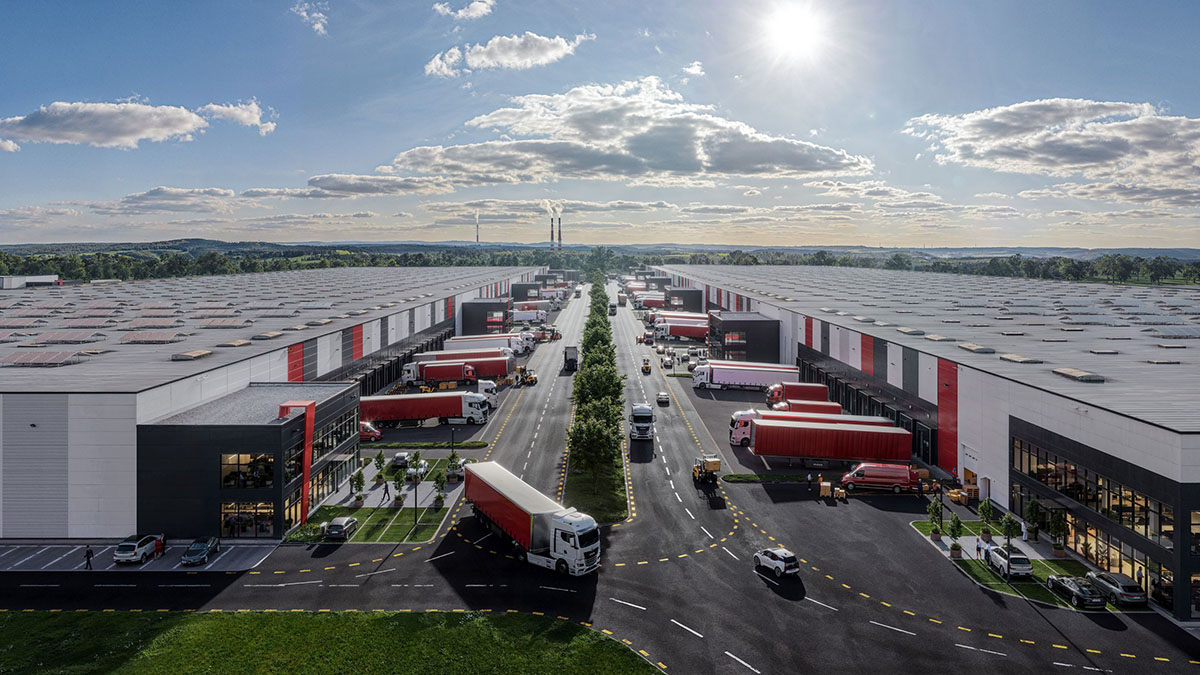
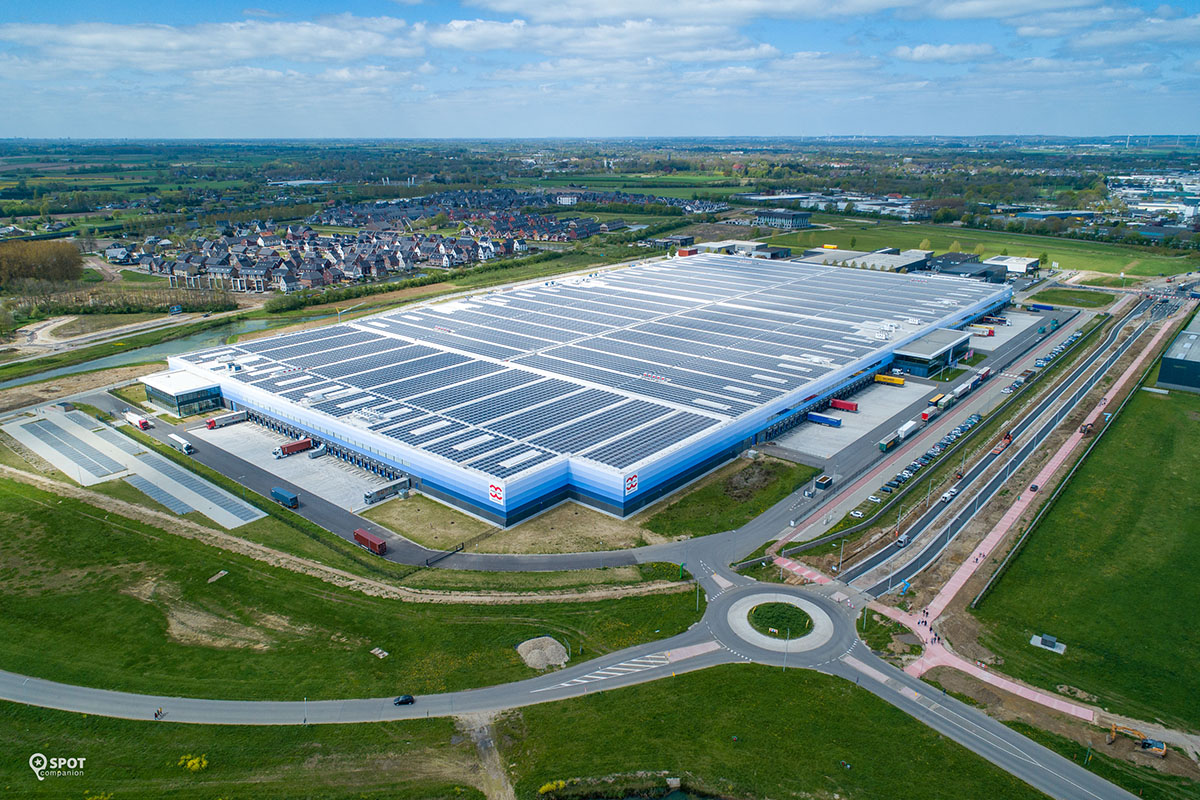
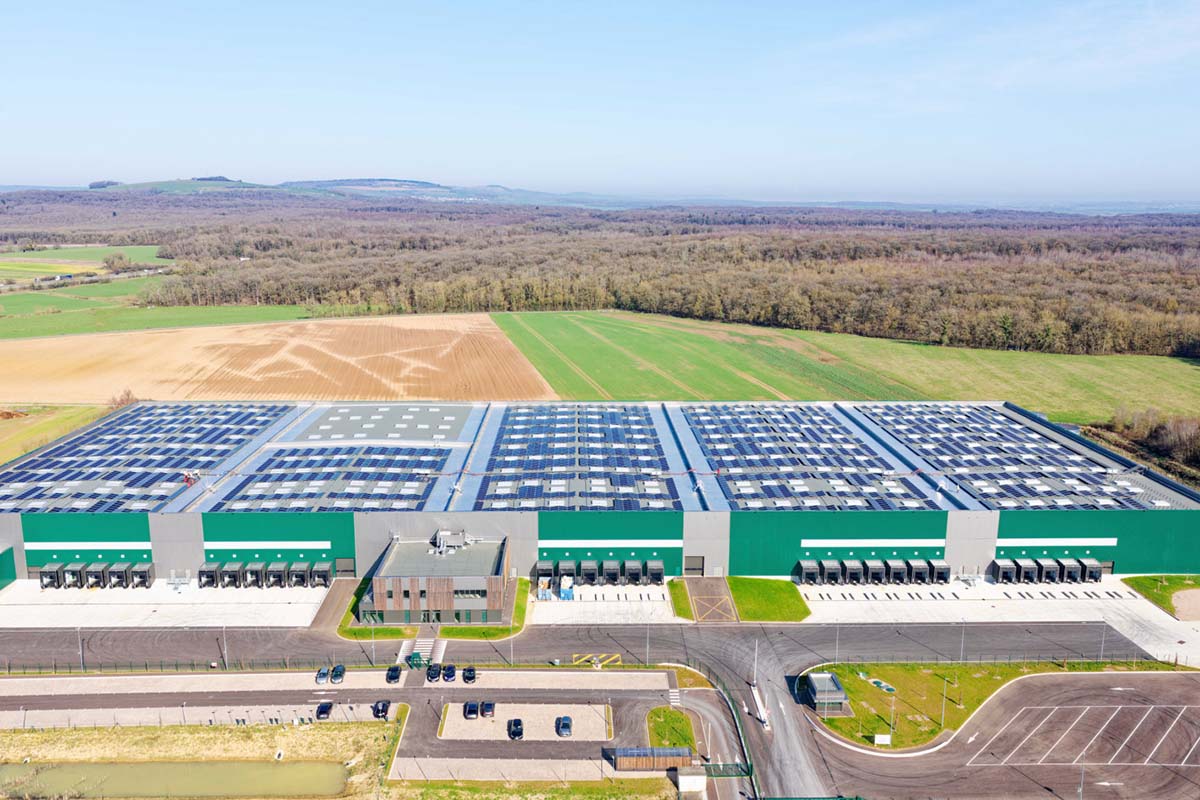
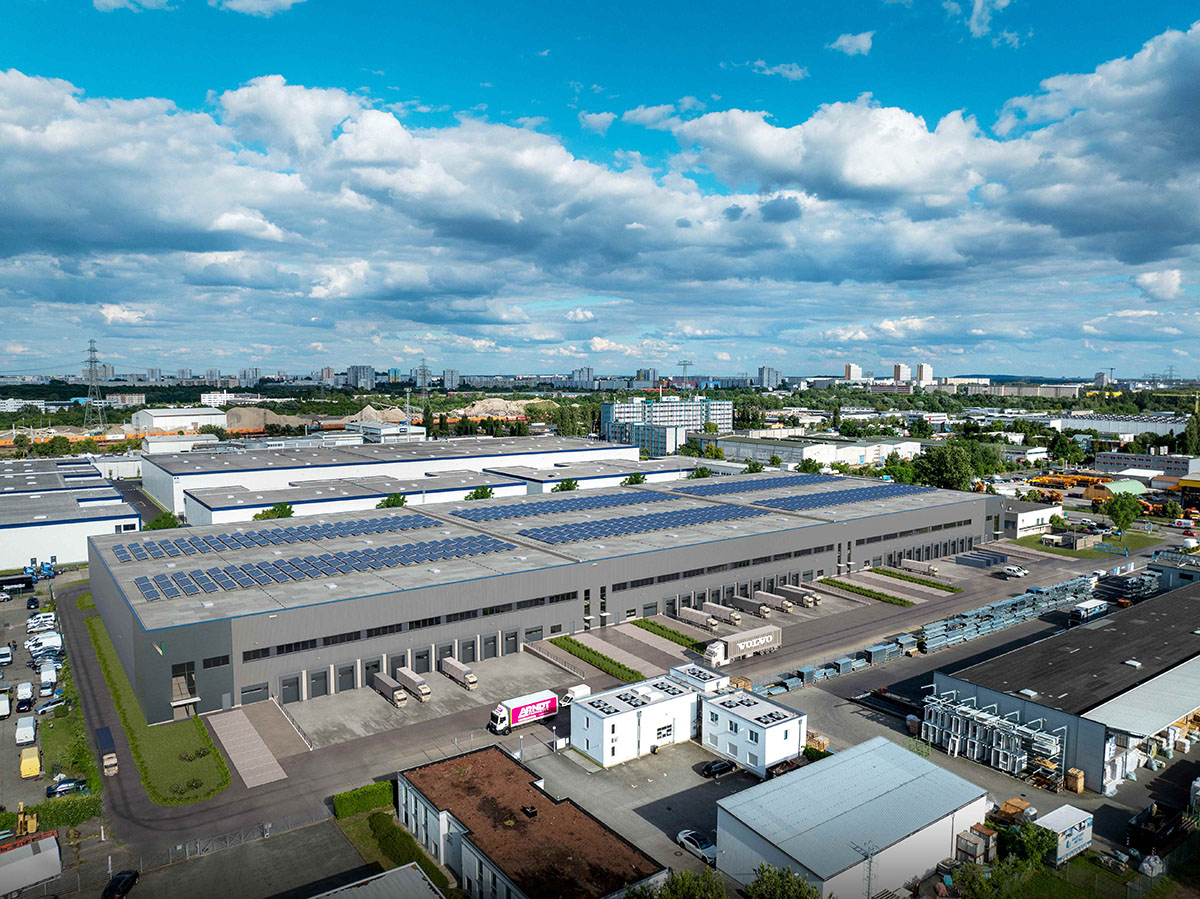
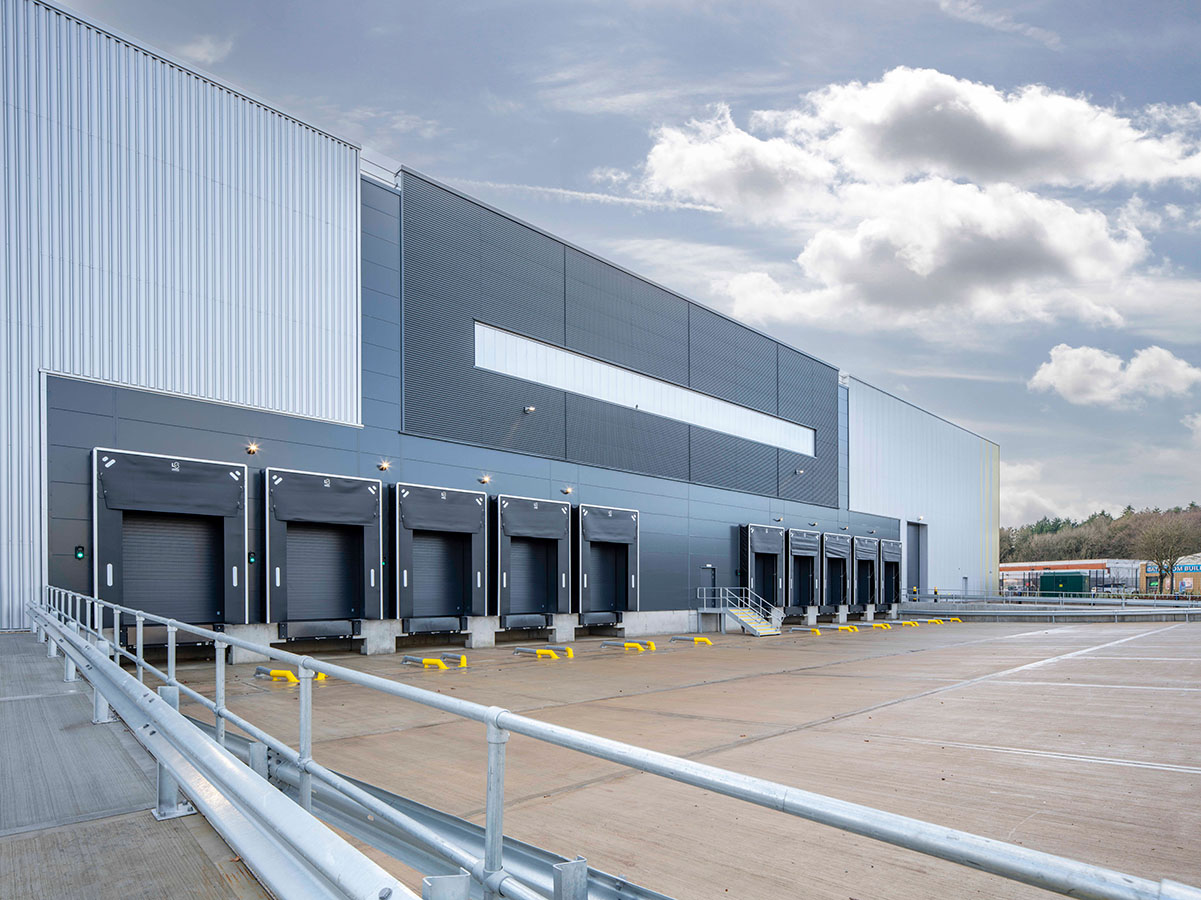
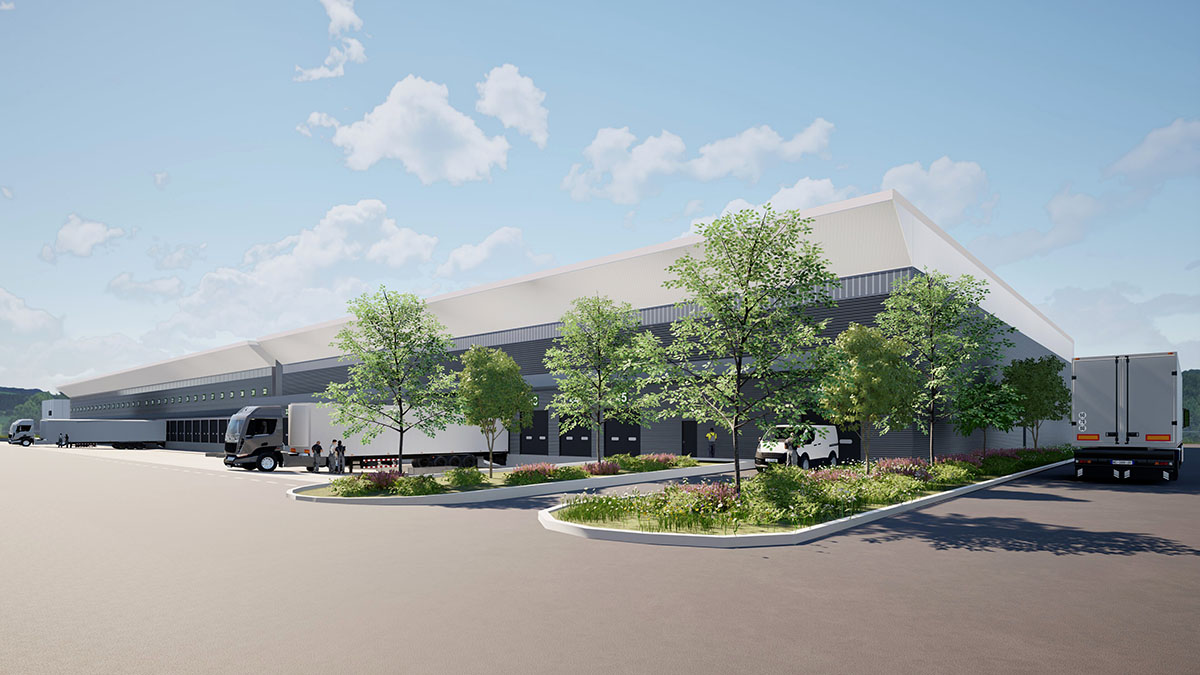
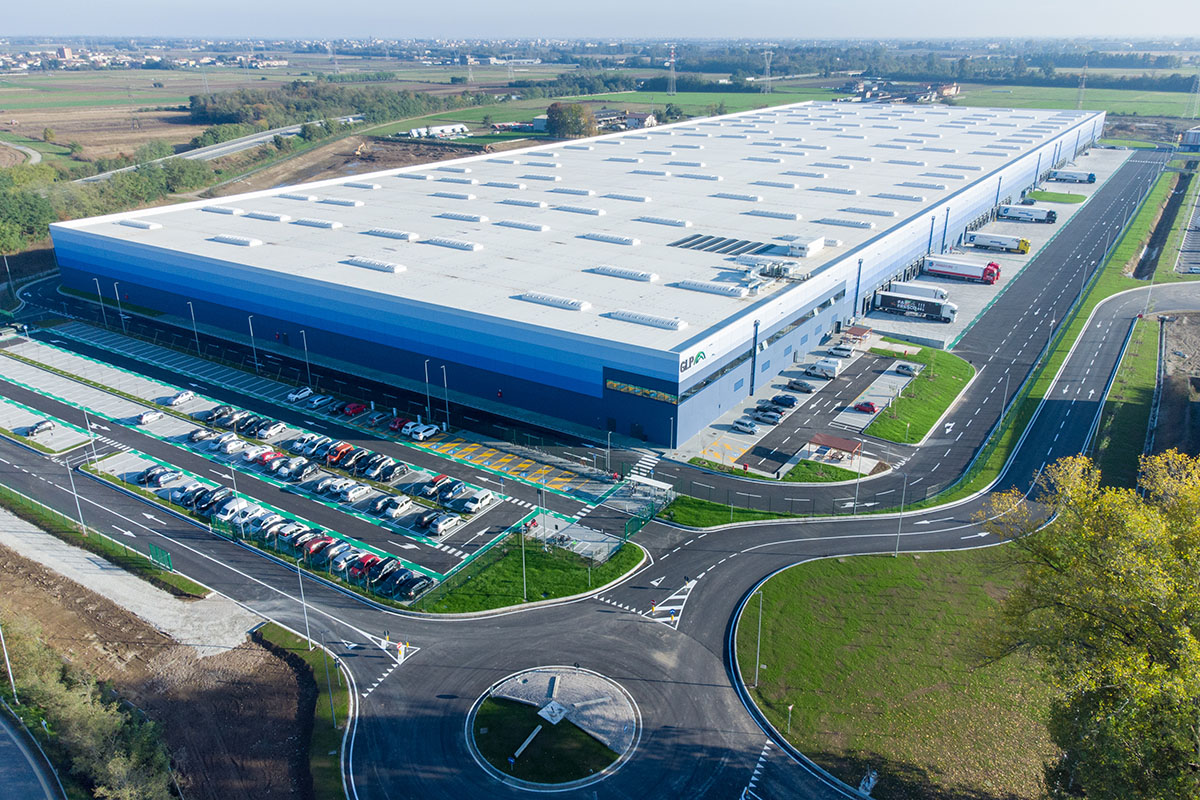
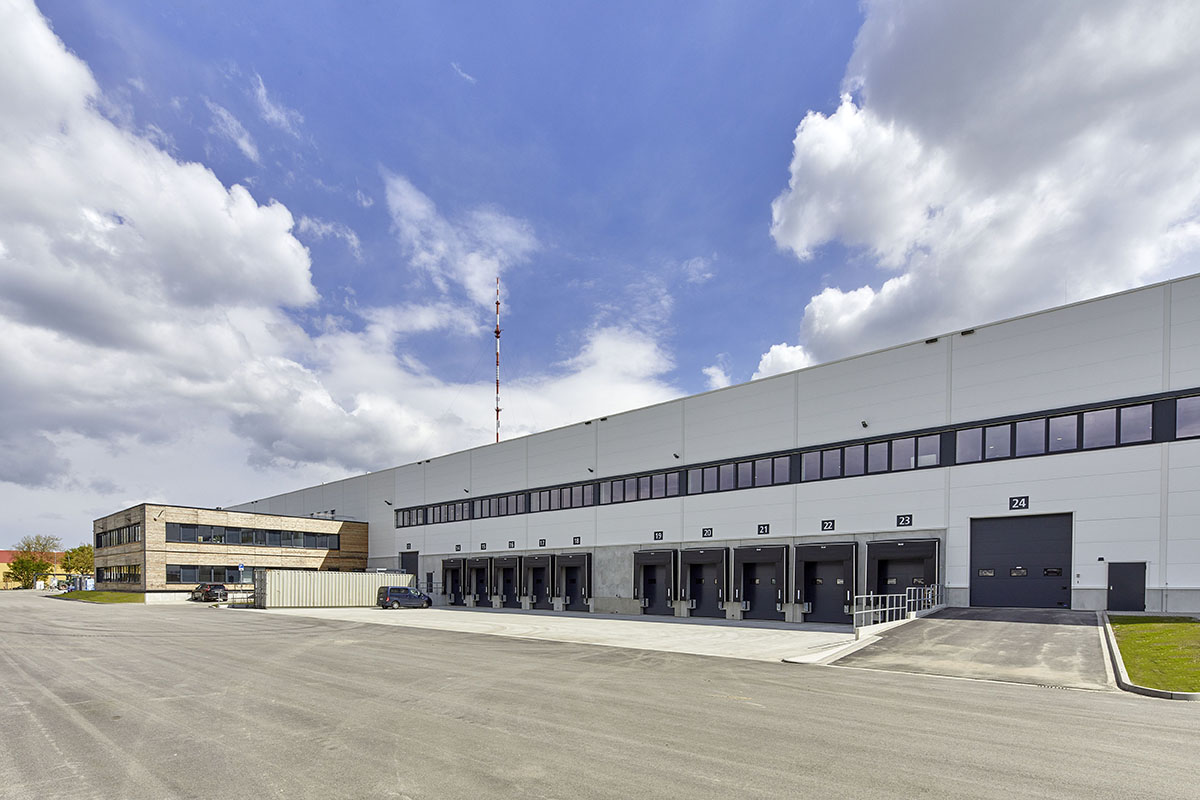
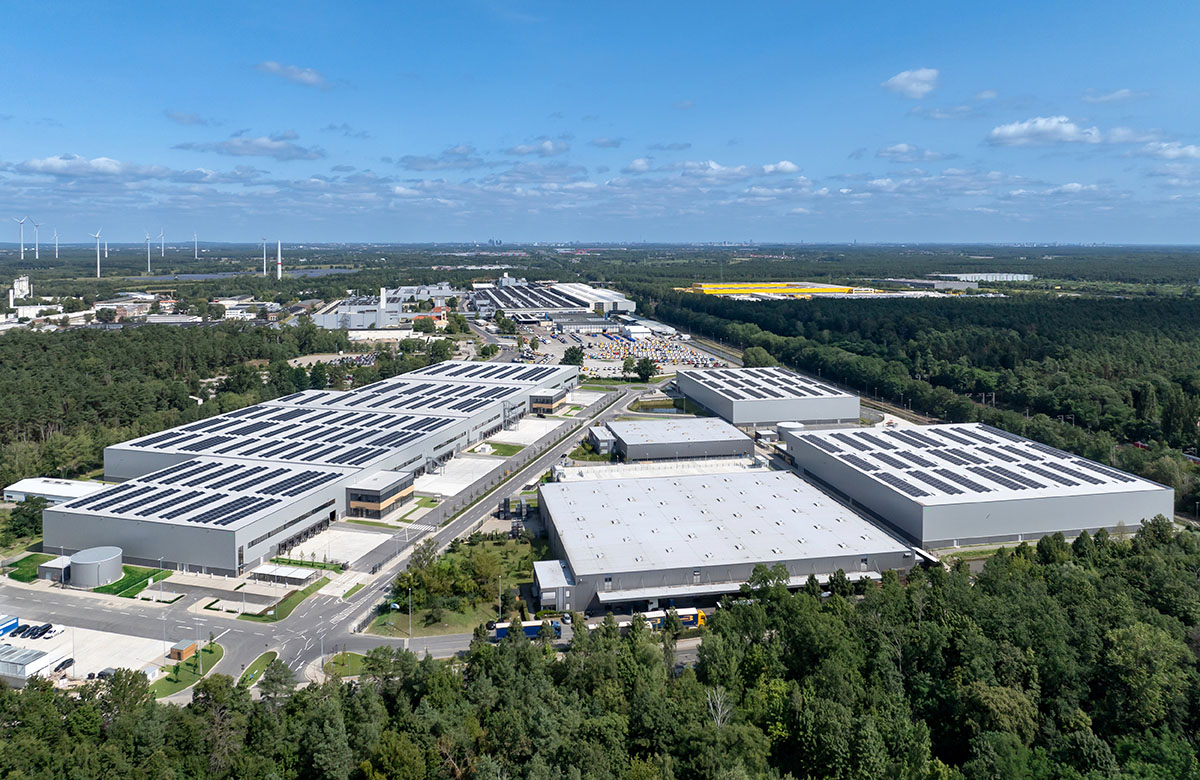
The environmental benefits are significant. Gariel notes that the concrete slab alone can account for up to one-third of a warehouse’s whole-life carbon footprint. By upgrading existing buildings rather than demolishing them, developers can avoid substantial embodied carbon emissions.
CTP is pursuing a similar approach in Germany, where brownfield redevelopment has become increasingly important. “Repurposing and brownfield redevelopment play an increasingly important role in markets such as Germany, where demand for modern, energy-efficient industrial and logistics space is strong but new greenfield supply is limited,” says Otte.
Yet retrofitting is far from straightforward. Developers cite regulatory complexity, construction costs, technical challenges and environmental remediation requirements as significant obstacles. Still, most appear convinced that refurbishment will play an increasingly important role in the future growth of the sector.
ESG moves from aspiration to necessity
Few topics have evolved more dramatically in recent years than environmental, social and governance considerations. What was once regarded by some market participants as a compliance exercise or branding opportunity has become a core driver of investment, development and leasing decisions.
Across Europe, occupiers are under increasing pressure from shareholders, customers, regulators and employees to demonstrate progress towards sustainability targets. Logistics real estate sits at the centre of that agenda because warehouses are often among the most energy-intensive assets within corporate supply chains.
As a result, ESG credentials have become a critical differentiator. “ESG topics have gained significant importance in recent years and are expected to become even more relevant going forward, driven in particular by growing investor expectations and increasingly stringent regulatory requirements,” says Serkan Aydemir, director, industrial, at ParkProperty Europe.
For many owners, the challenge is no longer whether to embrace sustainability but how quickly they can implement it. This is particularly true for older assets. Throughout Europe, regulators are steadily raising minimum environmental standards for commercial buildings. Properties that fail to meet those standards risk becoming increasingly difficult to lease, refinance or sell.
Developers are responding by incorporating renewable energy generation, battery storage, electric vehicle charging infrastructure, biodiversity measures and advanced energy management systems into new projects. That connection between sustainability and value preservation is becoming one of the defining themes of the logistics market.
Buildings that fail to keep pace with changing occupier expectations face a growing risk of obsolescence. Conversely, assets that successfully combine operational efficiency with strong sustainability credentials are increasingly commanding rental premiums and attracting investor interest.
Supply chains are being rewritten
While sustainability dominates many boardroom discussions, supply-chain resilience remains the single most important long-term driver of logistics demand. The disruptions caused by Covid-19 exposed vulnerabilities in global production networks. Subsequent geopolitical tensions, shipping disruptions, trade disputes and regional conflicts have reinforced those concerns.
As a result, many companies are fundamentally reassessing how and where they manufacture, distribute and store goods. “The logistics sector must continue adapting to structurally changing supply-chain requirements,” says Otte. “Recent geopolitical shocks have accelerated the shift away from purely just-in-time models toward more resilient, regionally anchored supply chains.”
In simple terms, businesses are seeking to reduce dependence on distant manufacturing centres by moving production closer to customers or to politically aligned countries. The implications for European logistics real estate are substantial and Central and Eastern Europe (CEE) countries have emerged as major beneficiaries of these trends.
Countries such as Poland, the Czech Republic, Hungary and Romania continue to attract manufacturing investment, particularly in sectors such as automotive production, batteries, semiconductors and advanced manufacturing. These facilities require extensive logistics infrastructure, creating demand not only for manufacturing space but also for warehousing, distribution and supplier facilities.
The defence sector is increasingly important. Verdion CEO Michael Hughes points to growing defence-related requirements as governments across Europe increase military spending and seek to strengthen domestic industrial capabilities. “Amid the continued geopolitical uncertainty, demand from the state and defence sector will increase, including ancillary and related uses with wider reach, although e-commerce still remains the real driver of the sector,” he says.
Investment markets find their footing
After a few years of disruption caused by rising interest rates and pricing uncertainty, investment activity is gradually recovering. The adjustment has not been painless. Many investors spent 2023 and 2024 reassessing values as borrowing costs increased sharply. Transaction volumes declined across most real estate sectors as buyers and sellers struggled to agree on pricing.
However, logistics has generally performed better than most asset classes. Long-term structural demand drivers, relatively strong rental growth and resilient occupier fundamentals have continued to attract capital. According to the major consultancies, investor appetite for logistics remains among the strongest within European commercial real estate, although it is becoming more selective.
At Valor Real Estate Partners, managing partner Matthew Phillips describes the outlook as “cautiously positive”. He adds: “Urban supply is structurally tight, and e-commerce penetration remains high resulting in strong fundamentals for an asset class we expect to continue delivering outsized returns.” Institutional capital, it has to be said, continues to favour logistics.
Risks remain
Despite the broadly positive outlook, challenges remain. Geopolitical uncertainty remains the most frequently cited concern among industry leaders. Trade disputes, military conflicts and political instability all have the potential to affect occupier confidence and delay investment decisions. “We believe geopolitical and macroeconomic uncertainty pose the greatest downside risk to the next 12 months,” says van den Hoven.
Construction costs also remain elevated despite some recent moderation. Financing conditions, while improving, remain more challenging than they were during the low interest rate era. Labour shortages continue to affect both development and logistics operations. And power infrastructure constraints remain unresolved in many markets.
Yet none of these challenges appear sufficient to undermine the sector’s long-term fundamentals. Indeed, many developers argue that constrained supply may ultimately strengthen rental growth by limiting new competition.
Taken together, the evidence points towards a sector entering a new phase of maturity. The explosive growth that characterised the pandemic era is unlikely to return. Nor is it needed. The European logistics market today is larger, more sophisticated and more strategically important than at any point in its history.
Trastor REIC
Completed 2022-2025
floor space (sq m)
182,400
Number of projects
8
Investment value
€174.9m
Proportion classified as urban/last mile logistics
0%
Total GLA of the portfolio
242,000 sq m
Footprint
Greece
Occupier base
Third-party logistics, automotive, supermarkets, pharmaceuticals, electrical appliances and F&B distribution
Key projects
Pileas
Pileas is the first green/LEED certified logistics centre in Greece, with a fully climatized warehouse floor where one wing is situated above the other due to the steep hillside land-plot. A large portion of the lower wing is built in the hill.
Solon
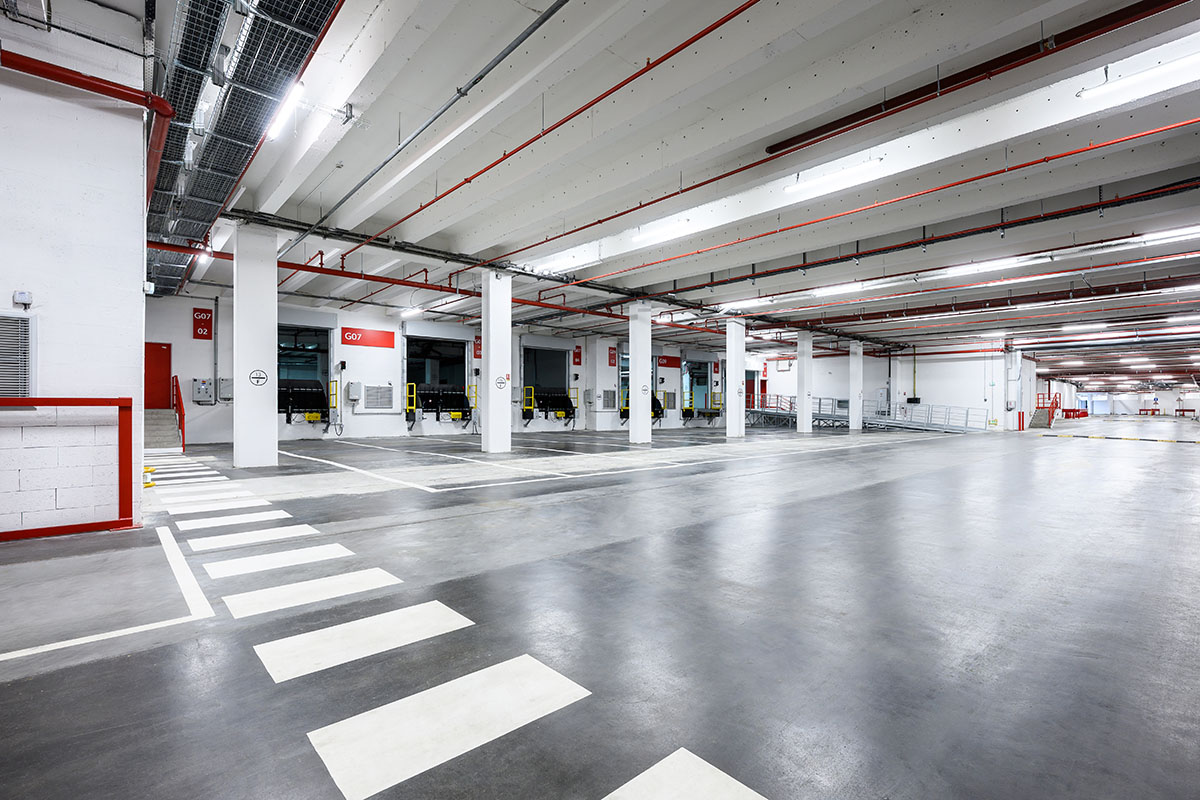
This development boasts the company’s first Gold LEED certification, where a six metre high, fully operational basement exists throughout. It is accessed directly by a lorry docking station.
Militos
Militos is the largest ‘under one roof’ logistics centre in Greece, comprising 76,468 sq m with 86 docking stations.
Valor Real Estate Partners
Completed 2022-2025
floor space (sq m)
98,984
Number of projects
10
Investment value
€444m
Proportion classified as urban/last mile logistics
100%
Projects under construction
floor space (sq m)
127,201
Number of projects
8
Investment value
€292m
Proportion classified as urban/last mile logistics
100%
Total GLA of the portfolio
1.9m sq m
Footprint
UK, France, Germany, Netherlands, Italy and Ireland
Occupier base
Sectors include e-commerce and online retail fulfilment; third-party logistics (3PL) and distribution; parcel delivery and courier services; urban logistics and supply chain services; light industrial and manufacturing; and retail and wholesale distribution.
Key projects
Tottenham – West Road, London, UK
A two-building urban logistics development comprising 59,902 sq ft and 12,450 sq ft, completed in late 2025. The scheme was designed to deliver best-in-class industrial accommodation with a strong focus on sustainability, occupier wellbeing and operational efficiency.
Marzahner Strasse – Berlin, Germany
This is a major logistics development in Berlin delivering approximately 25,000 sq m of highly flexible industrial space, divisible into up to six individual units. The project is scheduled for completion in early 2027.
The scheme has been designed with sustainability and occupier experience at its core, including a green roof and full-roof solar PV installation; electric vehicle and bicycle charging infrastructure; extensive landscaped amenity areas comprising approximately 20% of the site; and flexible unit configuration to accommodate a broad range of occupier requirements.
Zwanenburg – Netherlands
A large-scale Dutch logistics development comprising approximately 33,000 sq m of space, divisible into two units, with completion scheduled for this month. The development incorporates a range of advanced sustainability and building management features, including solar PV installation across the entire roof area; integrated building management system; green wall installations to enhance biodiversity and occupier wellbeing; and extensive indoor and outdoor amenity areas for both workers and the wider public.
ESR Europe
Completed 2022-2025
floor space (sq m)
250,000
Number of projects
3, comprising 11 assets
Investment value
€170m
Proportion classified as urban/last mile logistics
38%
Total GLA of the portfolio
Footprint
France, Germany and Spain.
Occupier base
Logistics, offices and living.
Key projects
Project Cedar
Project Cedar is a 118,403 sq m big box development in France. Certified BREEAM Very Good, the facility is designed to meet high sustainability standards, incorporating green infrastructure and innovative energy solutions. The grass on the grounds is maintained using eco-grazing by sheep, further enhancing the environmental footprint of the development. With a view to further enhance the energy efficiency and sustainability of Project Cedar, ESR has commissioned Idex, an energy infrastructure installer, to fit solar panels on around half of the facility’s roof. With a surface area of 61,000 sq m, the 26,000 photovoltaic panels should provide 12.1 MW of electricity per year, equivalent to the annual consumption of 3,500 households. In addition, two 405-space parking lots will be equipped with photovoltaic canopies covering 50% of their surface area, or 7,696 m². This will produce 1.8 MW and feed locally produced, renewable electricity directly into the grid.
TCC
Completed 2022-2025
floor space (sq m)
151,196
Number of projects
6
Investment value
€235,893,479
Proportion classified as urban/last mile logistics
16%
Projects under construction
floor space (sq m)
113,761
Number of projects
5
Investment value
€190,111,670
Proportion classified as urban/last mile logistics
34%
Total GLA of the portfolio
630,119 sq m
Footprint
UK, France, Germany and Spain
Occupier base
All sectors
Key projects
Taufkirchen, Munich, Germany
Taufkirchen is a 11,000 sq m last‑mile and light industrial development in the south of Munich, one of Germany’s most supply‑constrained core logistics markets. The scheme stands out for its highly flexible design, delivered across two buildings and capable of accommodating anything from a single last‑mile operator to up to seven individual units. This adaptability has been deliberately built in to serve Munich’s diverse occupier base, particularly SMEs and the high‑tech industries clustered around the TU Munich aerospace faculty.
Illescas, Madrid, Spain
The first 27,500 sq m building at Trammell Crow Company’s Blue Hub Illescas development, which will comprise 240,000 sq m of GLA when fully complete, is under construction in the key South Madrid logistics submarket of Ilescas. The project is distinguished by its modular unit configuration, offering smaller contiguous units of 5,000 to 6,000 sq m - a format that has historically been unavailable in Illescas and across Madrid’s third logistics ring. Enabled by recent changes to local fire regulations, this design allows significantly greater flexibility to respond to a wide range of occupier requirements and evolving market demand. The first building is due for delivery in early 2027 and forms part of a much larger, multi‑phase logistics platform.
Verdion
Completed 2022-2025
floor space (sq m)
532,590
Number of projects
20
Investment value
€855m
Proportion classified as urban/last mile logistics
50%
Projects under construction
floor space (sq m)
805,310
Number of projects
4
Investment value
€1.27bn
Proportion classified as urban/last mile logistics
50%
Total GLA of the portfolio
2.4m sq m
Footprint
Germany, Denmark, Sweden, Netherlands and UK
Occupier base
Multi-sectors including 3PL, retailers, e-commerce, food, pharmaceuticals, beverage, furniture, manufacturing and production, automotive, bicycle
Key projects
Verdion PremierPark Ludwigsfelde, Germany
This 150,000 sq m former brownfield facility provides market-leading urban logistics space in a landscaped environment within the Berlin submarket of Ludwigsfelde, close to the city’s ring road and 35 minutes from its centre. It is the largest asset in Verdion European Logistics Fund 1, which has invested over €300 million in the acquisition and development of logistics assets across Germany, Denmark, the Netherlands and Czechia since its final close in 2020.
iPort Zealand, Denmark
Verdion is planning a €1 billion business hub for Danish logistics, industry and business to capitalise on the completion of the major Fehmarnbelt infrastructure project. When complete, the world’s longest combined road + rail tunnel will connect Germany and Scandinavia with new road and high-speed rail passenger and freight connections, reducing journey times between Hamburg and Copenhagen by around two hours by rail and 70 minutes by road. iPort Zealand will become Denmark’s premier intermodal hub, extending to 250-ha at the intersection of the country’s main east-west and north-south rail corridors. It is located next to the E20 motorway, which stretches from western Denmark to Stockholm via Copenhagen and Malmӧ. It will be anchored by an international freight terminal enabling the transshipment of trailers, containers and swap bodies between road and rail.
Verdion Cologne, Germany
Verdion has secured a former production site in northern Cologne to create a €95 million urban logistics hub for its Verdion European Logistics Fund 2. It will speculatively develop the vacant 6.2-ha brownfield facility in the Ossendorf area to provide a total of 37,859 sq m of new accommodation meeting EG-40 and DGNB Gold standards and powered only by renewable energy. The development will include a LiteHub urban business hub providing flexible solutions in smaller units with higher office content for a wide range of occupiers. Up to 13,695 sq m will be developed with five units ranging from 2,000 sq m to 3,500 sq m.Two additional, sub-dividable standard logistics units of around 10,000 sq m each are also planned, with mezzanine and offices taking the combined total floorspace to 24,164 sqm.
Fiera Real Estate*
Completed 2022-2025
floor space (sq m)
310,416
Number of projects
14
Investment value
€463m
Proportion classified as urban/last mile logistics
5.6%
Projects under construction
floor space (sq m)
753,476
Number of projects
43
Investment value
€1.97B
Proportion classified as urban/last mile logistics
Total GLA of the portfolio
57,360 sq m
Footprint
UK
Occupier base
A wide range of occupiers – from small business to large retailers, delivery services and 3PLs
Key projects
Air Heathrow
Air Heathrow is a large derelict site that was once earmarked for a hotel development very close to Heathrow airport. Part of the site is in the green belt, so the planning application had to safeguard that area allowing for the creation of an open green amenity space with a lake that will be unique among prime London logistics parks.
AIM Stevenage
This is a large redundant former tyre warehouse on an industrial estate in Stevenage where Morrisons had previously obtained consent for a supermarket. It was acquired from the former owner-occupier and developed a state of the art 119,000 sq ft distribution warehouse
Watford Works
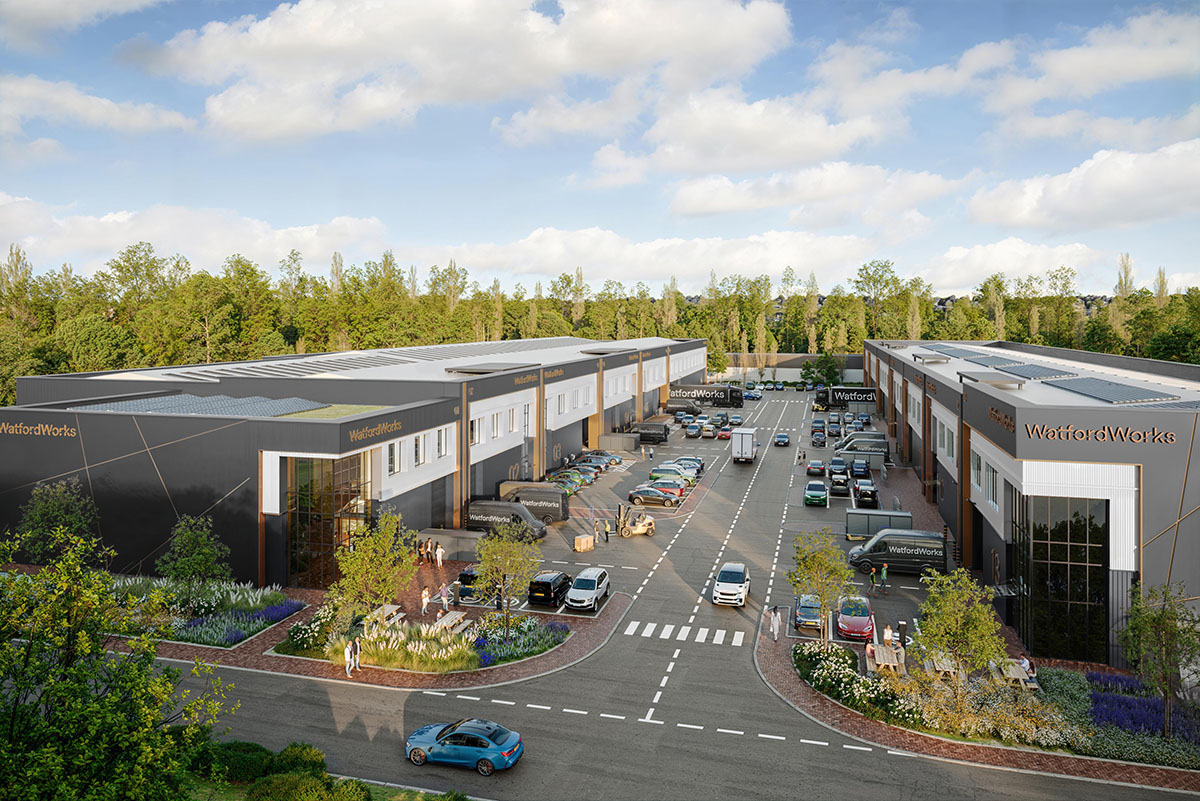
The project involves the regeneration of an edge of town centre office park, previously home to Camelot, to provide a new multi-unit industrial and logistics park.
*Fiera Real Estate is an investment manager with strong development capabilities. Its schemes are delivered through its unique operating partner model, where it has part-ownership of nine specialist property development companies.
Scannell Properties
Completed 2022-2025
floor space (sq m)
603,749
Number of projects
25
Investment value
€786,349,252
Proportion classified as urban/last mile logistics
10.4%
Projects under construction
floor space (sq m)
173,757
Number of projects
6
Investment value
€238,474,696
Proportion classified as urban/last mile logistics
0%
Total GLA of the portfolio
1,005,955 sq m
Footprint
France, Germany, Italy, Spain and UK
Occupier base
E-commerce, third party logistics, parcel distribution, retail, food retail, IT wholesale, FMCG, pharmaceuticals, automotive and manufacturing
Key projects
Logistic Park Atton, France
Atton is a BREEAM Excellent development that has transformed a disused brownfield site into 31,600 sq m of high quality, future-proofed, flexible logistics space. designed to meet modern operational and environmental standards.
Renewable energy generation is delivered through 5,956 photovoltaic panels installed across 12,000 sq m of roof space, providing a total capacity of 2.7 MWp.
In addition, the buildings are fitted with heat pumps, enabling fully decarbonised heating and eliminating greenhouse gas emissions associated with traditional systems.
Logistic Park Banyeres, Spain
The development is strategically located in Banyeres del Penedès and benefits from a prime position on the Mediterranean Corridor. On a plot of 104,000 sq m, with a GLA of 60,800 sq m, this was the largest build-to-suit development to start construction in Catalonia in 2025.
The warehouse is aiming to achieve the highest level of international sustainability accreditation, BREEAM Outstanding. Currently, only three warehouses in Spain have received this distinction, and Logistics Park Banyeres will mark Scannell Properties’ inaugural project in Spain to pursue this standard.
Build-to-suit for ID Logistics in Steinau an der Straße, Germany
This project is a new 36,700 sq m cold storage facility that will be operated by ID Logistics and serve as the latest German distribution centre for Lactalis, the world’s leading dairy company. The building is designed to meet the requirements for DGNB gold certification and reduce the carbon footprint of operations. Central to the environmentally friendly design is a heating system fuelled from the emissions of the cooling plant and a 3 MWp photovoltaic panel array to the entire roof that will provide electricity to the occupier.
Segro
Completed 2022-2025
floor space (sq m)
1.9m
Number of projects
96
Proportion classified as urban/last mile logistics
21%
Projects under construction
floor space (sq m)
717,000
Number of projects
31
Proportion classified as urban/last mile logistics
57%
Total GLA of the portfolio
10.9m sq m
Footprint
Czech Republic, France, Germany, Netherlands, Italy, Poland, Spain and UK
Occupier base
Transport and logistics; manufacturing (general and food); retail (physical, online, hybrid); wholesale distribution; post and parcel delivery; technology, media and telecoms; and data centres
Key projects
The SEGRO Centre Paris Les Gobelins, Paris, France
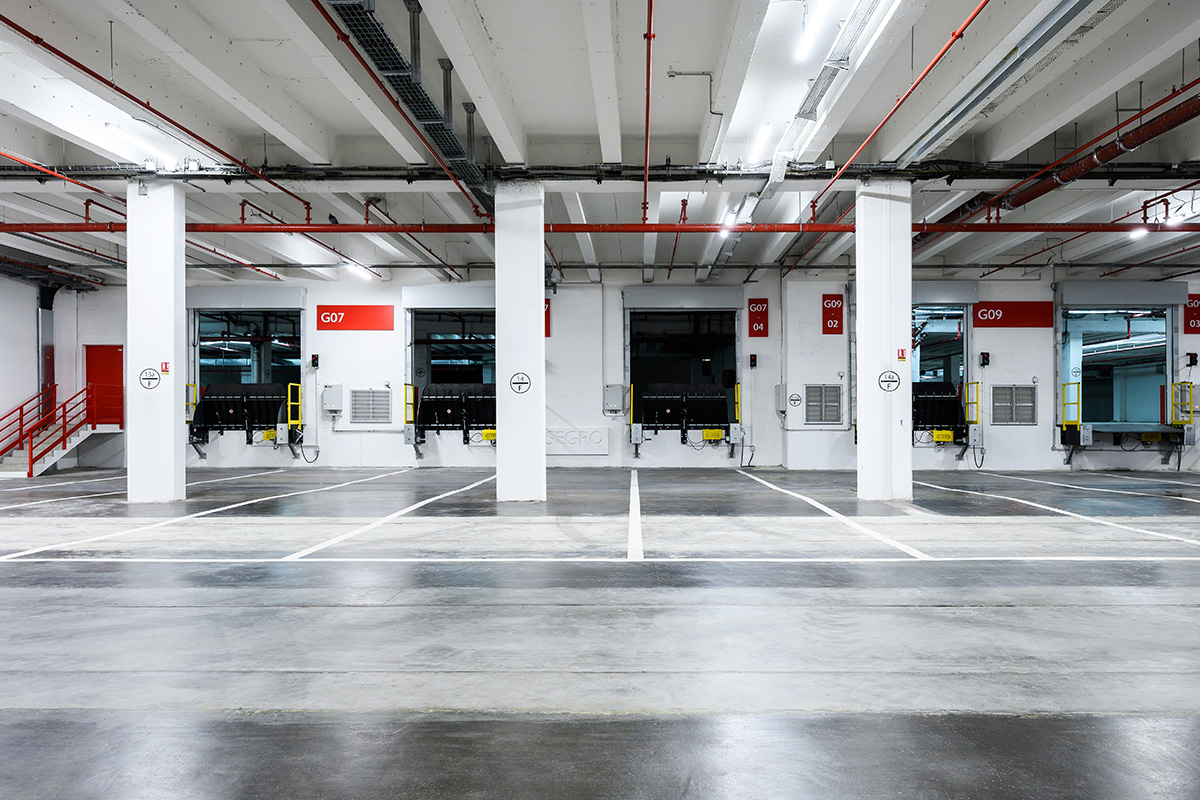
The facility is a former freight station located in the heart of the 13th arrondissement of Paris and within 15 minutes of the city centre. It is SEGRO’s first multi-level, subterranean urban logistics hub. The prime location ensures optimum connectivity as close as possible to businesses, shops and end consumers.
With a low-carbon refurbishment of the former Gobelins freight station and solutions tailored to soft delivery, SEGRO is offering a logistics platform within Paris that meets environmental challenges while optimising logistics operations. The modularity of the site means that spaces can be adapted to the specific needs of each company in the supply chain, from distribution to storage.
SEGRO Pure Premier Park Data Centre, London, UK
This is a 50:50 joint venture with Pure Data Centres Group, a global data centre operator with over a decade of experience in the design, build and operation of world-class data centres for the most sophisticated hyperscale users.
The partnership will see SEGRO create its first fully fitted data centre, which it expects to pre-lease to a hyperscaler. SEGRO will develop a 30,000 sq m, 56MW data centre in Park Royal, within a core London Availability Zone that has limited competing supply of land and power.
SEGRO Logistics Centre Mönchengladbach, Germany
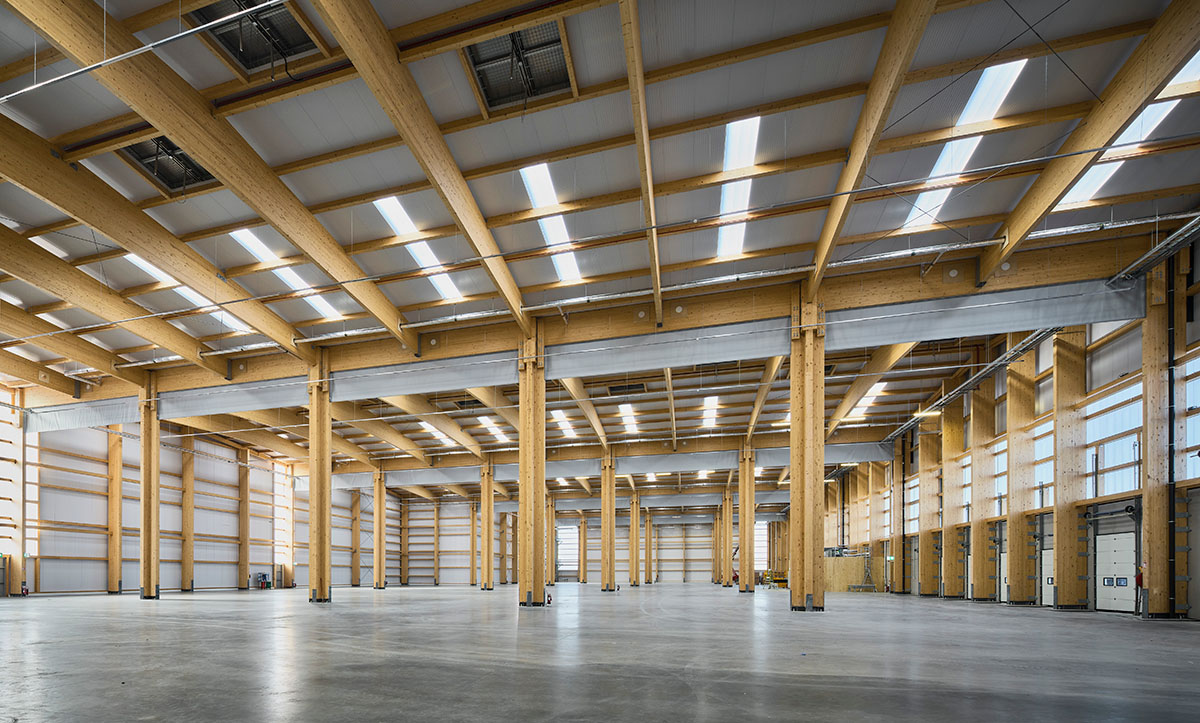
The Mönchengladbach project is Germany’s largest timber-frame warehouse and is located near Düsseldorf. It represents SEGRO’s latest development of a sustainable and future-oriented logistics facility in Germany. The approximately 26,300 sq m scheme has already been fully pre-let to the local family-owned logistics company GV Logistik, which is scheduled to take occupation from January 2027.
A key distinguishing feature of the project is its all-wood structural frame, building on the successful pilot at SEGRO Logistics Centre Hamburg Neu Wulmstorf, completed in spring 2025. This timber construction approach significantly reduces the building’s embodied carbon and underlines SEGRO’s commitment to innovative, low-carbon development solutions.
Marq Logistics
Completed 2022-2025
floor space (sq m)
2,754,748
Number of projects
78
Investment value
€3,658,529
Projects under construction
floor space (sq m)
302,777
Number of projects
11
Investment value
€206m
Total GLA of the portfolio
15,832,451 sq m
Footprint
United Kingdom, France, Belgium, Portugal, Germany, Netherlands, Spain, Italy, Denmark, Sweden, Poland, Czech Republic, Slovakia and Hungary
Occupier base
Automotive and parts; electronics, electrical and high-tech; FMCG; third party logistics services; machinery; pharmaceuticals and medical instruments; retail and e-commerce; and food services
Key projects
Nike Campus, Magna Park Corby, UK
The 1.3 million sq ft logistics campus developed for Nike at Magna Park Corby represents a significant milestone in the delivery of high-performance, ESG-aligned logistics assets. Conceived as Nike’s first dedicated UK logistics hub, the facility serves as the central node within its national distribution network, consolidating operations while enabling long-term resilience, efficiency, and scalability.
The site has achieved BREEAM Outstanding and Net Zero Carbon-ready in Construction, incorporating design measures that reduce both embodied and operational carbon. These include a high-performance building envelope and an extensive rooftop photovoltaic installation which supports the building’s ability to operate with significantly lower energy demand and carbon emissions.
Phillipsburg, Germany
In April 2024, Marq Logistics expanded its German portfolio by acquiring a 116,000 sqm logistics facility in Philippsburg. The site sits in the Rhine‑Neckar region, strategically positioned between Frankfurt and Stuttgart, two of Germany’s strongest economic hubs.
The approach was to modernise the existing building rather than demolishing it, achieving DGNB Gold sustainability standards. In doing so, the project was able to avoid embodied carbon costs incurred by building the asset again from the ground up.
Marq Logistics Magna Park Villaverde, Spain
Marq Logistics Magna Park Villaverde is Spain’s largest urban logistics platform, comprising 280,000 sq m of land with a potential 170,000 sq m of built logistics space. It is located 9km from Puerta del Sol with immediate access to the M-40, A-42 and A-4, positioning it unusually close to Madrid’s urban core for a large-scale logistics platform. Public transport is also key, helping attract staff and support shift-based operations. The park has a dedicated bus stop right at the entrance as well as nearby stops and commuter rail connections.
GARBE Industrial
Completed 2022-2025
floor space (sq m)
1.8m
Number of projects
Investment value
€523m
Projects under construction
floor space (sq m)
1.7m
Number of projects
62
Investment value
Total GLA of the portfolio
6.5m sq m
Footprint
Germany, Netherlands, Poland, UK, France, Spain, Italy, Austria, Slovakia, Czech Republic, Luxembourg and Romania
Occupier base
Key projects
Covo, Lombardy, Italy
In the heart of Lombardy in Covo, GARBE Industrial has developed the MilEast Logistics Park on a former brownfield site. The state-of-the-art logistics property boasts a GFA of approximately 22,000 sq m. The new building, with a warehouse area of around 20,000 sq m, 600 sq m of office space and a mezzanine area of 1,400 sq m, is nearing completion.
It is designed according to current ESG criteria and tailored to the needs of the logistics market. The building is 12m high. The floor has a load-bearing capacity of five tons per square metre. The property is equipped with 16 loading docks for truck loading and unloading. Thanks to its flexible layout, the building can be used by a single tenant or multiple tenants.
4.2 Veghel, Netherland
This is a prime logistics facility in one of Netherlands’ strongest distribution corridors. GARBE Industrial is developing a high-quality logistics facility in Veghel as part of a two-phase brownfield development. Phase I, approximately 22,600 sq m on a 32,000 sqm site, is scheduled for delivery mid Q2 2026.
The asset is strategically positioned in the De Dubbelen industrial park, within the Eindhoven-Den Bosch-Nijmegen corridor, in 2025 ranked 4th in the annual Dutch Logistics Hotspot ranking by Logistiek.nl. The region has a strong concentration of food producers, retailers and logistics service providers and benefits from excellent multimodal access to the international motorway and waterway network.
4.3 Holzgerlingen, Germany
In Holzgerlingen, south of Stuttgart, GARBE Industrial is developing a business park. It consists of two buildings of different sizes with a total area of approximately 16,600 sq m. Together, the two buildings will offer approximately 14,300 sq m of warehouse space. In addition, there will be about 560 sq m for offices and social areas, as well as roughly 1,700 sq m of mezzanine space.
With the development of the business park, GARBE Industrial is creating modern development potential at an established industrial location. It combines sustainable construction with flexible usage options. Upon completion, the two new buildings will meet the BEG-40 energy efficiency standard and will operate without the use of fossil fuels
ParkProperty Europe
Completed 2022-2025
floor space (sq m)
170,000
Number of projects
3
Investment value
€215m
Proportion classified as urban/last mile logistics
18%
Projects under construction
floor space (sq m)
230.000
Number of projects
4
Investment value
Proportion classified as urban/last mile logistics
0%
Footprint
Germany, Poland, Italy, Spain, Denmark, United Kingdom (across all asset classes)
Occupier base
Among others, retail, automotive, medical support, delivery and fulfilment
Key projects
Logistics Center HamburgBillbrook, Germany
This logistics centre was planned and developed in line with the highest ESG standards and meets the requirements of the Efficiency House 40 standard. The implementation of the highest sustainability standards is also demonstrated by the DGNP Platinum certificate achieved. Sustainable features include rooftop photovoltaic systems, highly efficient heat pumps, a completely fossil free heat supply, a roof structure and parts of the façade made from renewable raw material wood, as well as extensive roof and façade greening.
Thalia Omnichannel-Hub Marl, Germany
In the gate.ruhr industrial park in Marl, the company created an omni-channel hub for logistics, production and modern working environments for Thalia. The complex comprises several high-quality production halls, a multi-story office building, a parking garage with around 500 spaces and 200 covered bicycle parking spaces. It offers modern workspaces for up to 1,000 employees, an on-site cafeteria, and extensive, spacious social areas.
GreenWorkPark Grünheide, Germany
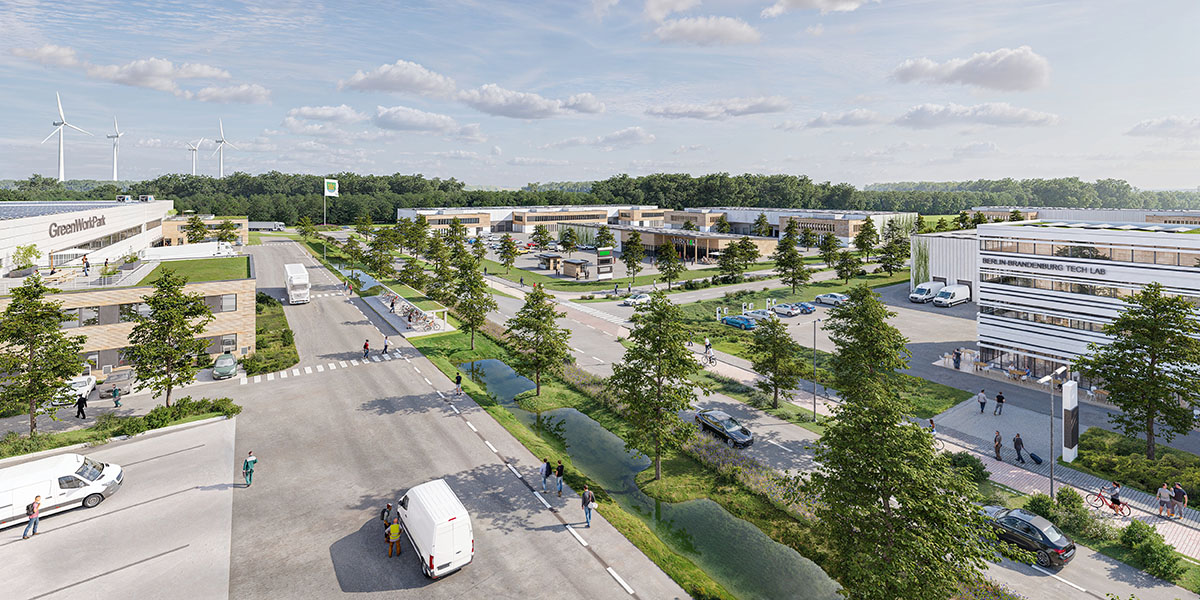
GreenWorkPark Grünheide is being developed on around 40 hectares directly next to the TESLA Gigafactory and will offer more than 200,000 sq m of modern space for logistics, production, light industrial, offices, education and local supply. The site offers excellent transport connections – around 30 minutes to Berlin, direct access to the A10 motorway, proximity to BER airport and a train station within walking distance.
CTP
Completed 2022-2025
floor space (sq m)
4.8m
Number of projects
x
Investment value
Projects under construction
floor space (sq m)
2.02m
Number of projects
Approximately 80
Investment value
€:1.6bn
Total GLA of the portfolio
14.7m sq m
Footprint
Czech Republic, Slovakia, Hungary, Romania, Germany, Serbia, Bulgaria, Austria, Italy, Netherlands and Poland
Occupier base
CTP’s clients include over 1,500 international and local businesses from a broad mix of sectors, including 3PLs, manufacturing, automotive, high-tech, defence, wholesale and retail, ecommerce and more.
Key projects
CTPark Prague North, Czech Republic
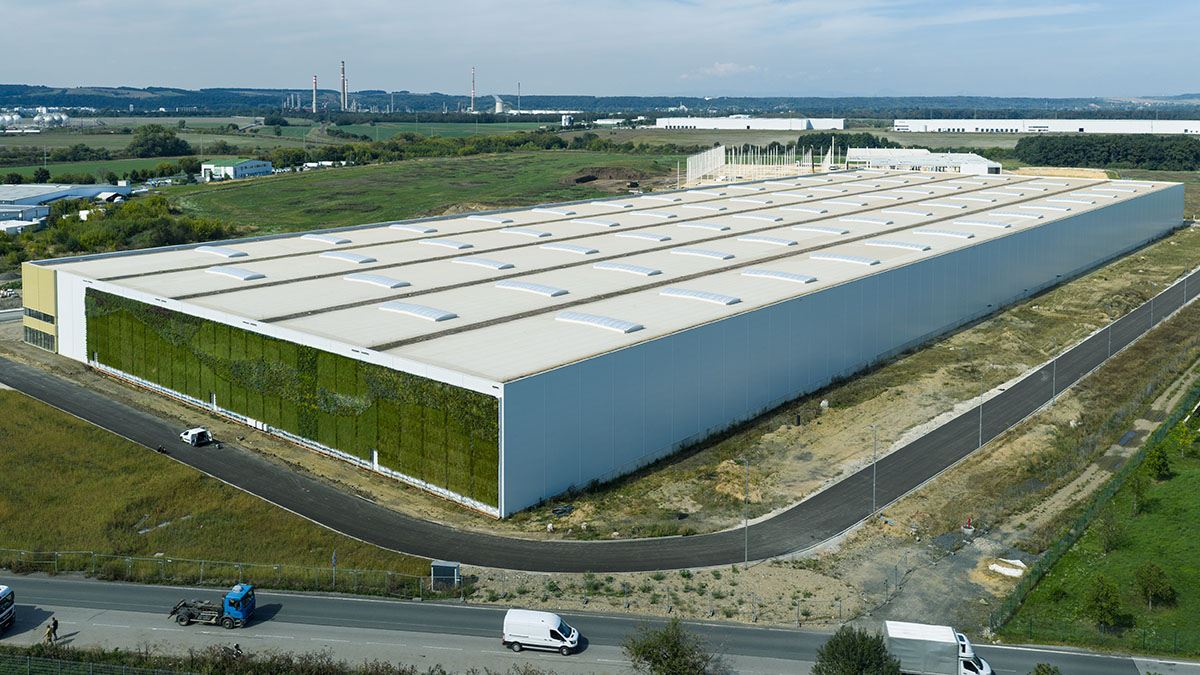
CTPark Prague North is an I&L hub serving Central Europe, with over 200,000 sq m of GLA delivered and the potential to grow to over 350,000 sq m GLA via adjoining CTP owned land. In line with CTP’s parkmaker model, CTPark Prague North goes far beyond providing logistics space alone, operating as a mixed-use ecosystem for modern businesses with office space, retail, community amenities and the Czech Republic’s largest vertical garden.
CTPark Tatabanya, Budapest, Hungary
Located 60km east of Budapest, CTPark Tatabanya was recently selected by Zoomlion, the Chinese heavy machinery manufacturer, for its first European manufacturing plant in a €100m investment. The project highlights the continued and growing role of CEE markets in supporting multinationals near-shoring to achieve supply chain diversification by producing in Europe for Europe.
CTPark Bucharest West, Romania
CTPark Bucharest West demonstrates how CTParks is evolving beyond logistics functions. The park includes CTP’s unique Clubhaus concept, with amenities such as restaurants, cafés, retail and leisure spaces for both park employees and local people. The park is also home to occupiers including LPP Logistics, the major logistics firm that operates one of the most advanced and highly automated facilities in Romania, custom-built by CTP.
7R
Completed 2022-2025
floor space (sq m)
670,000
Number of projects
22
Investment value
€569m
Proportion classified as urban/last mile logistics
80,000 sq m
Projects under construction
floor space (sq m)
164,000
Number of projects
4
Investment value
€160m
Proportion classified as urban/last mile logistics
n/a
Total GLA of the portfolio
353,000 sq m
Footprint
Poland, Czech Republic and Germany
Occupier base
Logistics service providers, CEP players, automotive, light assembling, spirits, pharmaceuticals, e-commerce, omnichannel, FMCG, after market, fashion, home and living, DIY and many others
Key projects
Green Saver project in Kąty Wrocławskie for Yusen Logistics, Poland
This development is a highly advanced sustainable warehouse facility designed to significantly reduce environmental impact while improving operational efficiency and enabling future expansion. The project addressed key constraints such as high operating and maintenance costs, limited space for growth, and restricted possibilities for further improvement within the existing site.
First AutoStore in Poland, in Szczecin-Goleniów for Hultafors
This project delivered a production-oriented facility designed to combine manufacturing requirements with high-performance logistics and automation. Located in 7R Park Szczecin
Goleniów I, the site includes 21,140 sqm of warehouse space and 970 sq m of office space, built to support precise, repeatable operations and efficient internal flow. A key feature is the implementation of an AutoStore system, enabling faster and more accurate handling, high-density storage, and improved operational efficiency.
Szczecin-Goleniów II for FIEGE, Poland
This development delivered a modern logistics platform designed to support advanced e-commerce operations with a strong focus on returns handling at scale. Located in 7R Park Szczecin Goleniów II, the facility comprises 58,700 sq m of warehouse space and was developed to meet demanding operational requirements under tight time constraints. The project incorporates state-of-the-art technical solutions, stringent FM Global-aligned fire safety standards
IPUT
Completed 2022-2025
floor space (sq m)
66,000
Number of projects
5
Investment value
€161m
Proportion classified as urban/last mile logistics
Projects under construction
floor space (sq m)
139,355
Number of projects
1, comprising 9 units
Investment value
-
Proportion classified as urban/last mile logistics
-
Total GLA of the portfolio
309,000 sq m
Footprint
Ireland
Key projects
Nexus Logistics Park, Dublin, Ireland
Nexus Logistics Park is strategically located close to Dublin’s orbital motorway, Dublin Airport and Dublin Port. Once complete, the scheme will comprise 17 modern units totalling approximately 2.5 million sq ft. Phase 1, which includes nine units extending to 1.5 million sq ft, is currently under construction, with the first two units completing in the first half of 2026.
The development is designed to set new benchmarks for sustainability, design and occupier wellbeing, with buildings targeting LEED Gold and BER A ratings, extensive onsite renewable energy provision and energy efficient building systems. The park will utilise glue-laminated timber structural frames, enabling each unit to be delivered to a net-zero carbon standard.
Quantum Logistics Park, Dublin, Ireland
Quantum Logistics Park was IPUT’s second logistics development, comprising four units totalling 550,000 sq ft. Completed between 2022 and 2023, the scheme set a benchmark for ESG-led industrial development, including Ireland’s first net zero carbon logistics building constructed using a glulam timber structural frame. The buildings achieved LEED Gold, BREEAM Excellent and BER A ratings, and the park combines high-spec operational design with strong placemaking.
Aerodrome Business Park, Dublin, Ireland
Aerodrome Business Park is a prime logistics development in southwest Dublin. Between 2021 and 2022, IPUT delivered two warehouses totalling 280,000 sq ft, both achieving LEED Gold, BREEAM Excellent and BER A2 ratings. The scheme was fully pre-let to Lifestyle Sports and Iron Mountain.
Commercial real estate (CRE) Media Europe is a free to access news and information service providing dependable, independent journalism. Our mission is to provide the pan-European real estate market with the latest trends and data points, and provide key analytical coverage to help you make better decisions in your business.
To discuss advertising and commercial partnership opportunities please contact eddie@cremediaeurope.com