Catella IM: Tackling housing affordability
Real estate investment managers must actively partner with municipalities to deliver scalable, affordable housing solutions rather than chasing purely aggressive financial yields, according to Benjamin Rüther, head of Fund Management Residential at Catella IM.
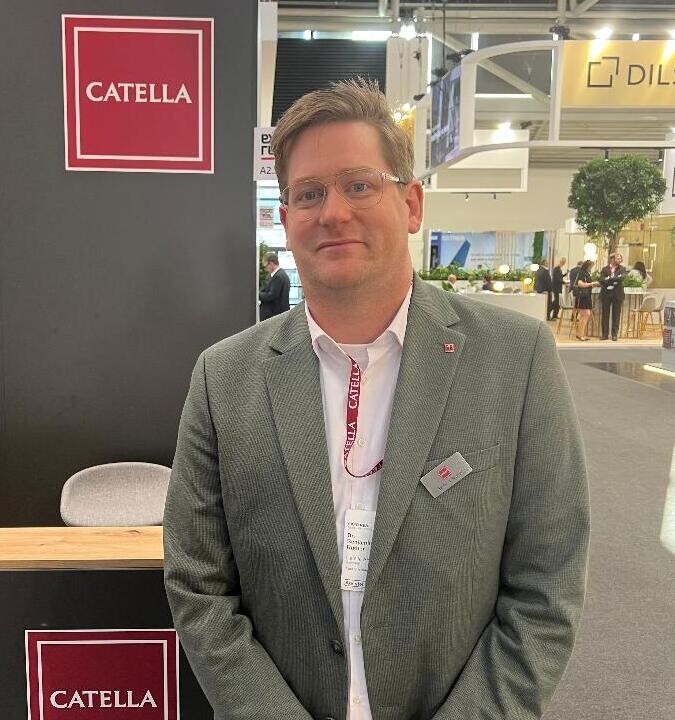
Benjamin Rüther
Speaking at the EXPO REAL trade fair to CRE Media Europe, Rüther highlighted that addressable tenant demand across major European cities now centres heavily on key workers and middle-income demographics who are increasingly priced out of urban centres.
Catella IM recently executed the sale of a large Dutch residential portfolio on behalf of its German institutional investors, delivering an annualised total return close to 6% over its 12-year holding period—outperforming its original target projections.
Cross-border allocation
While domestic German residential real estate remains targeted by value-add investors, Catella IM is looking internationally to balance currency stability with social impact.
The firm is evaluating potential entries or re-entries into Poland, Hungary (Budapest), and Italy, provided local market frameworks offer sufficient institutional structure.
Catella IM initiated PBSA investments in Ireland last year, while expanding flex-living and serviced apartments in markets such as Spain and Germany.
The firm continues to prioritise Euro-denominated markets to mitigate currency risks for its core investor base.
Mandate for affordability
Rüther noted that restrictive regulatory environments—such as perpetual lease structures in Germany or rigid rent protections in Sweden—have created a locked-in "tenant aristocracy," leaving new entrants and key workers without accessible housing options.
To bridge this gap, Catella IM is aligning its investment strategy with municipal subsidy programs and public-private partnerships.
"We need an overall rental structure that remains genuinely affordable for key workers; otherwise, major cities risk becoming accessible only to high earners," said Rüther."
Asset class dynamics
While residential and living strategies remain the core focus, Catella IM is also active across other segments.
In logistics, selective funds continue to operate smoothly, backed by clear underlying occupational demand.
Core office properties in prime central locations continue to secure tenant demand, whereas secondary (B/C) locations and non-gateway cities remain under structural pressure.
Looking toward 2027, Rüther expects institutional capital to increasingly accept balanced financial returns in exchange for durable, inflation-hedged yields linked to positive social outcomes.
Branislav Pekic


Subscribe now and stay informed
Joining the CRE Media Europe mailing list is quick and simple. Just provide your contact details below to be added to our distribution list and start receiving the latest news, magazines and special updates, all free of charge.
Commercial real estate (CRE) Media Europe is a free to access news and information service providing dependable, independent journalism. Our mission is to provide the pan-European real estate market with the latest trends and data points, and provide key analytical coverage to help you make better decisions in your business.
To discuss advertising and commercial partnership opportunities please contact eddie@cremediaeurope.com