EPRA: Public real estate has absorbed the valuation shock
Speaking to CRE Media Europe at EXPO REAL in Munich, Dominique Moerenhout, CEO of the European Public Real Estate Association (EPRA), highlighted that the real estate sector is operating under macroeconomic and geopolitical pressure, driven by historically elevated interest rates, refinancing hurdles, and tighter bank lending terms.
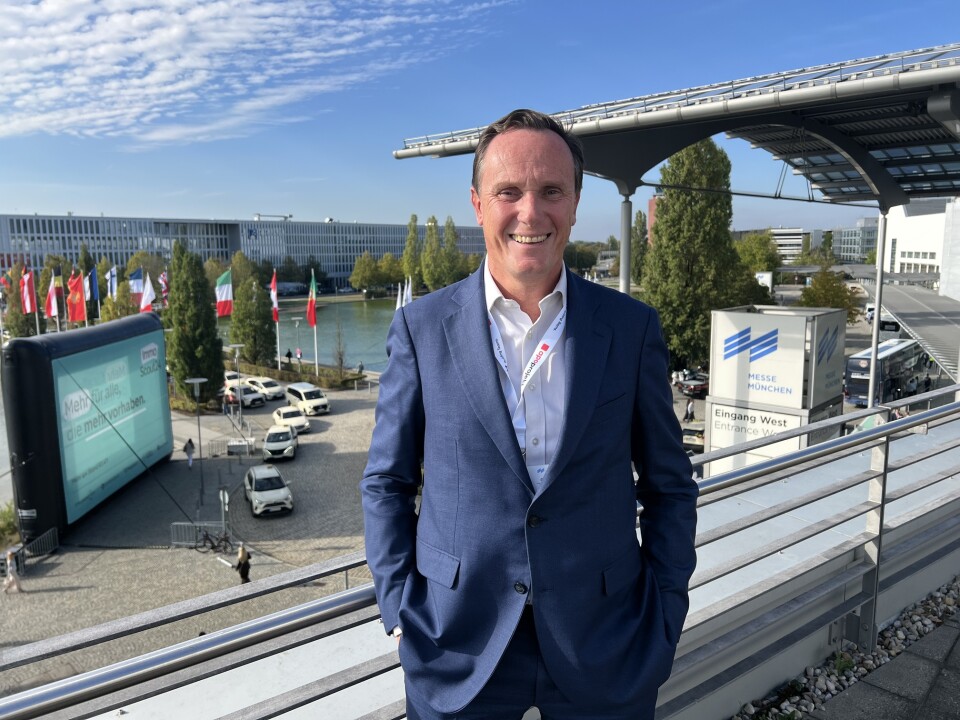
Dominique Moerenhoet
Coupled with underperformance relative to other asset classes over the last 10–15 years, property now faces intense competition from government bonds, infrastructure, and private credit.
However, Moerenhout stressed that the listed real estate sector has already absorbed the bulk of this interest rate and valuation correction, while private real estate still faces a looming reckoning.
With 10-year US Treasuries hovering around 5.3%, investors increasingly question why they should take on operational volatility for property assets yielding a standard 5% to 6% cash-on-cash return.
Thematic capital allocation
According to Moerenhout, institutional investors are increasingly abandoning traditional rigid boundaries—such as allocating solely by geography or single sector in favour of thematic allocation.
Europe faces a severe structural housing shortage, currently constructing only 30% of actual market demand. Related niche sub-sectors like student housing and healthcare/elderly living are seeing sustained institutional inflows backed by demographic tailwinds.
Following a brief cyclical dip through 2023–2025, logistics is back on a steady path to recovery.
Data centres remain a major growth story, making them a top target for institutional capital.
Retail has undergone a sentiment reversal. Two years ago, nearly 90% of institutional investors were bearish; today, roughly 7 out of 10 investors are bullish, driven by strong operational performance and transaction volume in convenience stores, food-anchored retail, and shopping centres.
The traditional office maxim of "location, location, location" has evolved into "location, services, and sustainability." Prime, eco-certified offices with top amenities boast vacancy rates below 1%. Conversely, secondary office assets are suffering severe distress, fuelling a wave of conversions into residential units, hotels, or data centres.
Scale and consolidation
Transaction volumes are expected to resume gradually as rate volatility settles. However, debt will remain tight and investors far more selective.
Scale is crucial—larger platforms provide liquidity, reduce risk, and absorb major capital projects.
While specialist institutions dominate public REIT ownership, future sector growth relies on attracting generalist equity fund managers, wealth management networks, and retail capital.
Once broader geopolitical and macroeconomic uncertainty stabilises, major private equity real estate managers are expected to turn to public listings and IPOs to exit mature portfolios, driving a fresh wave of equity back into the public market.
Branislav Pekic


Subscribe now and stay informed
Joining the CRE Media Europe mailing list is quick and simple. Just provide your contact details below to be added to our distribution list and start receiving the latest news, magazines and special updates, all free of charge.
Commercial real estate (CRE) Media Europe is a free to access news and information service providing dependable, independent journalism. Our mission is to provide the pan-European real estate market with the latest trends and data points, and provide key analytical coverage to help you make better decisions in your business.
To discuss advertising and commercial partnership opportunities please contact eddie@cremediaeurope.com