Sweden's housing market hampered by regulation
The latest Newsec Property Outlook highlights a "system stress test" across Nordic and Baltic residential markets, with Sweden facing unique challenges.
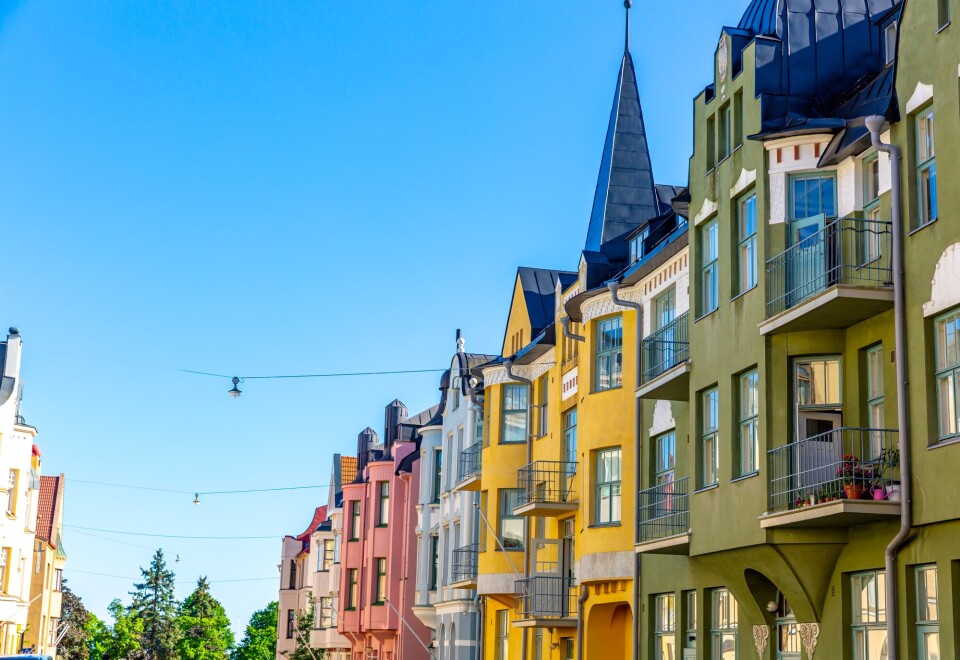
Newsec Property Outlook
The analysis concludes that Sweden's regulated rental model leads to some of the most unequal housing outcomes in the region. This manifests in extremely long queue times, low tenant mobility, and a "reversed" rent structure where newer, peripheral units can be significantly more expensive than prime central apartments.
The national housing system design, rather than just macroeconomic cycles, is now the primary determinant of how risk, access, and returns are distributed in residential markets. While most Nordic and Baltic countries exhibit structural trade-offs, Newsec's in-depth Swedish case study reveals particularly severe distortions in allocation, affordability, and social outcomes.
Older, higher-income households often occupy centrally located regulated rental apartments at substantially lower rents than younger, lower-income households, who are forced to pay higher per-square-meter rents for newer suburban properties. Access is primarily determined by queue time, not income or willingness to pay, which favours insiders and hinders mobility.
Across the broader Nordic and Baltic region, regulated systems experience pressure through queues and reduced turnover, while more market-based systems adjust via repricing, increased vacancy, or development pauses. These differences are structural, not cyclical.
Norway's homeownership-centric model restricts rental supply, shifting pressure to pricing and taxation. Denmark combines tenant protection with market-based new build rent setting. Finland's dual system shows increasing performance driven by micro-location and supply cycles. The Baltic markets are still in an institutional development phase, presenting long-term potential but requiring selective strategies.
Despite these challenges, transaction markets are gradually recovering in several Nordic countries, fuelled by improved financing conditions and renewed international investor interest. This recovery is most noticeable for modern, energy-efficient, and well-located residential assets. However, investors are becoming more selective, paying closer attention to regulatory exposure, rent-setting frameworks, and political risk.
Max Barclay, CEO of Newsec, commented: “Our Swedish analysis shows something that is rarely quantified this clearly: two buildings with very similar physical characteristics can produce completely different social and economic outcomes depending on how the allocation system works. That is not a marginal effect; it is systemic. We are now moving from a phase of broad expansion to one of structural selection. The most resilient residential markets going forward will be those where regulation, incentives and demographics are aligned, not necessarily those with the least rules, but those with the most functional systems.”
Newsec Property Outlook Spring 2026 covers markets across Sweden, Norway, Denmark, Finland and the Baltics.


Subscribe now and stay informed
Joining the CRE Media Europe mailing list is quick and simple. Just provide your contact details below to be added to our distribution list and start receiving the latest news, magazines and special updates, all free of charge.
Commercial real estate (CRE) Media Europe is a free to access news and information service providing dependable, independent journalism. Our mission is to provide the pan-European real estate market with the latest trends and data points, and provide key analytical coverage to help you make better decisions in your business.
To discuss advertising and commercial partnership opportunities please contact eddie@cremediaeurope.com